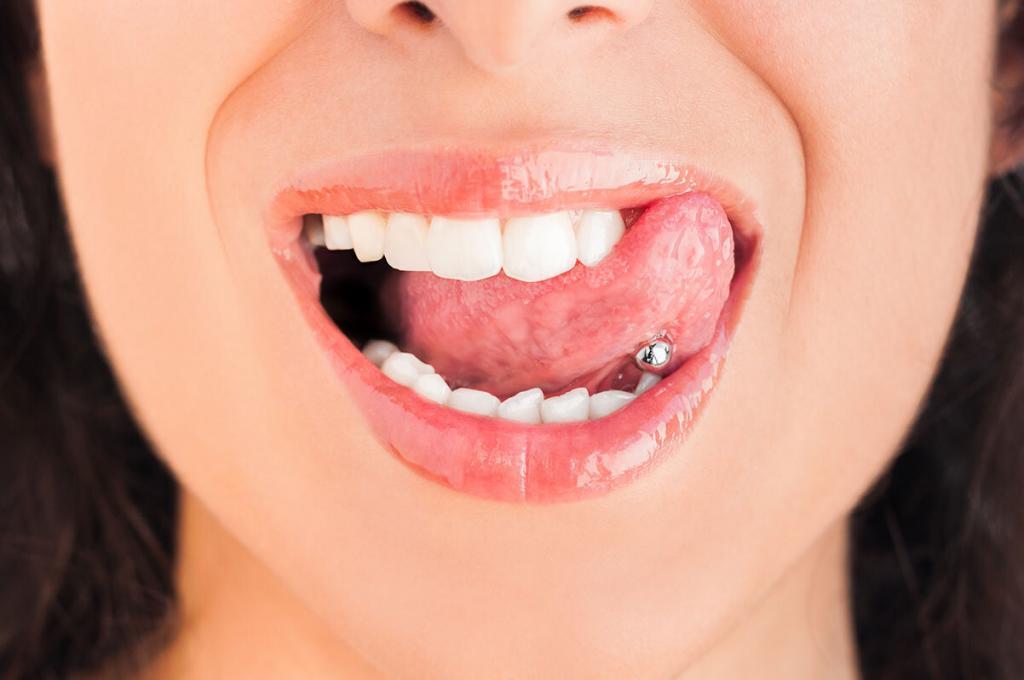
Do you have an oral piercing? You can implement the following healthy habits to avoid oral health complications.
A tongue piercing is cool and all, but did you know it can pose adverse effects to your oral health? Below we look at the risks associated with a tongue piercing and how dentists at The Dental Anesthesia Center can help you boost your oral health after a tongue piercing.


Because of this, I had not been to the dentist in years.
Being able to go to sleep and have all my dental work done while I was out was incredible! I had a tooth extracted, a root canal, 4 fillings and a cleaning all at the same visit!
The staff was so caring and understanding, it made me feel really good.
I will only go here for my dental work from now on.


Thank you!


Thank you


I cannot express how grateful we are for Dr. Thoms and his team! Their sensitivity, expertise, and dedication made a potentially challenging dental experience for our daughter as comfortable and stress-free as possible (for her AND us!).
We were very impressed by Dr. Thoms' thoroughness in explaining the procedure and his willingness to answer all of our questions, alleviating any anxieties we had. The ability to be present by our daughter's side as she was falling asleep was a huge comfort factor.
We felt a sense of genuine care and compassion towards our daughter and felt that they treated her as if she was one of their own. Dr. Thoms and his team clearly go above and beyond to provide exceptional patient care and makes a complex dental procedure feel safe, comfortable, and even reassuring. A huge THANK YOU to Dr. Thoms and his team!


If your dental phobia and dental issues have made you feel hopeless ... I encourage you to contact the DAC for a consultation. That's what I did 17 years ago - and it proved to be a very good decision and a true blessing.


I started taking my kids here when they needed procedures under anesthesia. Once my former dentist retired (and I realized the DAC also does family dentistry), I switched the entire family to this office. Best decision I ever made.
I’m also so impressed with the experience this team has treating individuals with special needs.


I skipped going to the dentist for 6 years and what a mistake that was. Everyone at this office is extremely nice and a pleasure to deal with.
Laina, their hygenist is awesome even though she is a Cubs fan. I actually look forward to my 3 month cleanings now and will not miss another.
Dr. Thoms and his team (I requested Julie as an assistant I would do the same :)) were amazing. As I said I skipped going for 6 years so I had some work to be done and chose to be put to sleep instead of 4 visits. They make sure you are as comfortable as possible and even take the time to check up on you after to make sure you are healing properly.
Last but not least, Marie and the entire front office are great. Always a pleasure to deal with and are very accommodating. They are the face of the operation and the tone of the visit is set with them. The amount of care and compassion they show the patients in the waiting room is beyond extraordinary.


The process went well, and the services were outstanding. Everyone was polite and empathetic, from the front desk receptionist to the dentists. The customer service was excellent. I rarely post reviews, but I do so because I want others to know that they can trust and feel safe with their care. The Dental Anesthesia Center comes highly recommended from this mama bear.


Risks Associated with Tongue Piercing
- Pain and Swelling – The procedure of piercing your tongue is painful and can cause swelling. In addition, the tongue is a sensitive organ full of nerves, and the introduction of jewelry interferes with chewing, swallowing, and breathing.
- Chipped and Cracked teeth – After a tongue piercing, you’re likely to develop a habit of bumping your piercing against your teeth when you eat or talk. This can scratch, crack or injure your teeth and gums. It can also make your teeth sensitive and damage fillings.
- Plaque and Tooth Decay – Besides trapping food and debris, having a tongue piercing also accumulates plaque, the leading cause of tooth decay.
- Bacterial Infection – Given its moist nature, your tongue is a host to a variety of bacteria. However, the risk of bacterial infection in your mouth increases when you make an incision and introduce jewelry. Unfortunately, a severe bacterial infection could cause your tongue to swell and may end up blocking the airway.
- Bad Breath – Fresh tongue piercings are hard and painful to clean. This, combined with the constant bacterial presence in the mouth, is likely to give you a stinky breath.
- Permanent Nerve Damage – It’s not uncommon for the tongue to get numb after a tongue piercing. Sadly, this can affect mouth movement and sense of taste.
- Increased Salivary Flow and Speech Difficulties – Oral piercing complications such as excessive drooling and speech difficulties are relatively common. While saliva is essential for oral health, excessive saliva production can change your speech pattern and make you feel uncomfortable and self-conscious.
Other risks associated with tongue piercing include allergic reactions, tearing of the tongue or mouth due to an accidental jewelry rip-out, and transmission of serious infections such as Hepatitis or mouth ulcers.
Ways to Take Care of Your Tongue Piercing and Avoid Problems
You can implement the following healthy habits to avoid oral health complications after a tongue piercing:
- Avoid playing with the jewelry, and keep your piercing site clean.
- Use an alcohol-free mouth rinse during and after the healing period.
- Brush in the morning and before you retire to bed. When brushing, use fluoride toothpaste and a soft-bristle toothbrush.
- Floss daily
- Avoid smoking or vaping as it may complicate your post-piercing healing process.
- Avoid sharing drinks and food to minimize the spread of infectious bacteria.
- Don’t touch your pierced tongue with dirty fingers or hands, as it can expose the area to infection.
- Look for common signs of infection such as pain, swelling, and tenderness.
Contact The Dental Anesthesia Center for Post-Piercing Oral Care
Do you have an oral piercing? Visit the dentists at the Dental Anesthesia Center for the best post-piercing oral care. We are here to help keep your oral health in tip-top shape. Schedule an appointment today.
Call Us Today
The first two board-certified Dentist Anesthesiologists in the state of Missouri.