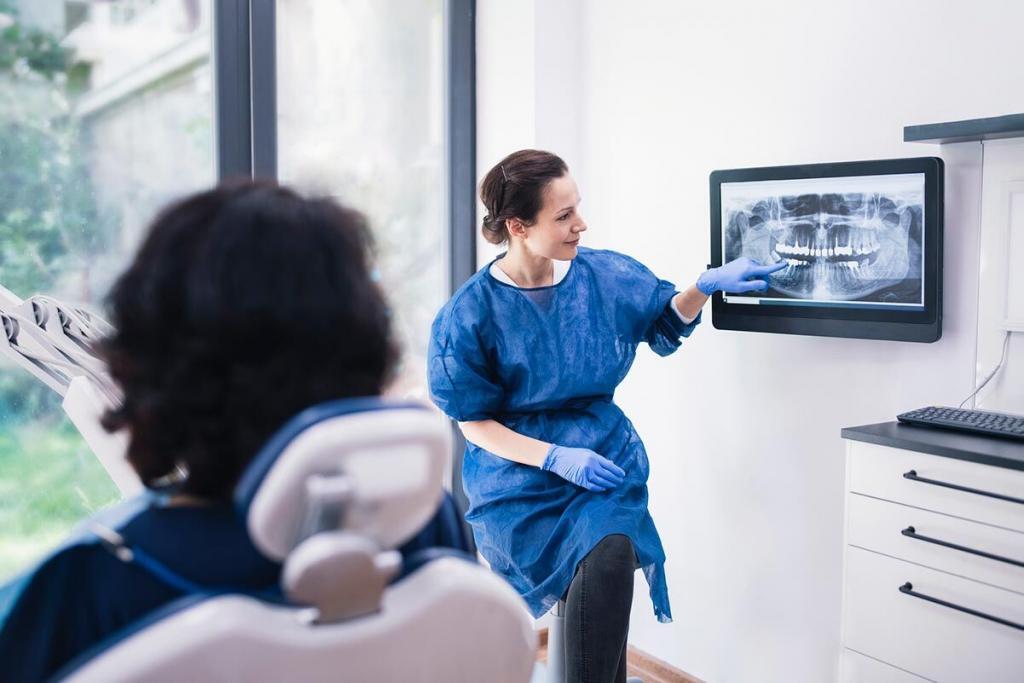
Trench mouth is a form of gum disease caused by severe gum infection. In most cases, the infected gum will swell and develop ulcers.
Trench mouth! You’ve probably never heard about this rare oral disease, but it ranks among the most severe dental conditions you can develop due to poor oral hygiene. This article explores what trench mouth is, its causes and symptoms, and today’s viable treatment methods.
Outstanding customer car for our 15 yrs old Autistic Granddaughter. Rebekah really helped put our minds and ease and helped us plan the next visit when it came to reservations we had on the cost of this treatment, and future ones. This is expensive, but worth it knowing they help special needs kids, teens and adults. Sedation dentistry team handle everything great! Thank you Dr. Thoms and the team!!
Response from the owner:Thank you for your thoughtful review. We’re so glad our team could provide a supportive and reassuring experience while helping you plan for future care. It means a great deal to know you felt informed and cared for every step of the way. We truly appreciate your kind words and the trust you’ve placed in us.
Dr Thoms specializes in dental anesthesia for patients with Special Needs. My daughter has been a patient of his for many years. His experience, depth of knowledge and understanding the needs of Special Needs patients is excellent. He presents clear and detailed information for his procedures and treatment options along with expectations during aftercare. Follow up instructions include a personal phone call from him as well as additional calls from his office staff. I highly recommend Dr Thoms and definitely give him 5 stars.
Response from the owner:Thank you for your kind words and for taking the time to share your experience. We’re grateful for the trust families place in our team and are committed to providing thoughtful, individualized care with clear communication every step of the way. Your recommendation means a great deal to us!
My hygienist, DeLaina Joost, takes excellent care of my teeth with her advanced skills, gentle touch and great “chair side” manner. She is a consummate professional, and such a compassionate person. I look forward to my visits at DAC!
Response from the owner:Thank you for your kind words! We’re so glad to hear you had a positive experience with our team and appreciate you taking the time to share your feedback.
I want to thank everyone at the Dental Anesthesia Center for taking care of me yesterday—Meaghan helped me get the forms filled out correctly and in on time, Daisy for guiding me in and getting me out safely, Dr. Hoffman for taking care of my teeth and dealing with my really terrible gag reflex, and EVERYONE who helps make this happen. I don't know all of your names, but I do know that it takes all of you working together to make my dental care possible and have good results.
I'm always nervous when I first arrive, even though every procedure has had a good outcome. I've never had any pain or excessive bleeding as a result. The one thing I realized yesterday is that all of you are warm, friendly, positive, you have what is called a good vibe, which helps me a great deal.
Response from the owner:Thank you for your kind words and for taking the time to share your experience. We’re so glad our team could help you feel comfortable and supported throughout your visit. Providing a safe, positive environment is very important to us, and your feedback means a great deal. We truly appreciate your trust in our care!
Dr. Thoms and his entire staff at The Dental Anesthesia Center have been absolutely wonderful!! They're all so kind and knowledgeable. I would give them 10 stars if I could!!!
Response from the owner:Thank you so much for your kind words! We truly appreciate you taking the time to share your experience. It means a lot to hear this feedback.
What is Trench Mouth?
By definition, trench mouth is a form of gum disease caused by severe gum infection. In most cases, the infected gum will swell and develop ulcers, which lead to the death of your gum tissue.
Because trench mouth symptoms are almost similar to gingivitis, you may bleed more and experience intense pain when infected. Trench mouth primarily affects teens and young adults under 30 years of age, but its roots date back to the 4th century when it had names like:
Vincent stomatitis
Acute ulcerative gingivitis
Necrotizing gingivitis
People only referred to the disease as trench mouth after soldiers during World War 1 developed the condition from lack of access to proper dental care.
Causes of Trench Mouth
This condition usually occurs when there is too much bacteria in the mouth. Other risk factors include:
Trench mouth symptoms closely resemble those of gingivitis, but they’re more advanced. Therefore, you should capture all your signs early to get immediate treatment and prevent further dental complications.
The common signs of trench mouth you should be on the lookout for include:
Ulcers papillae on the small projections of gums between your teeth
Foul mouth taste
Fever
Fatigue
Red, swollen and bleeding gums
How Does a Dentist Diagnose Trench Mouth?
Besides checking for the above symptoms, a dentist will likely prod your gums to see how easily they bleed. In case they find an infection, the dentist may recommend extra tests to confirm whether the bacterial infection has extended to the bone beneath the gums. HIV and immunity tests are also common during trench mouth diagnosis because they encourage bacterial growth in the mouth.
How to Treat & Prevent Trench Mouth
Trench mouth has different treatment options available, depending on the extent of your infection. For starters, if the infection is minor, you’ll probably only need professional cleaning and some pain meds to cure the disease. But in cases where an infection extends to the bone beneath the gum, you may require surgery and strong antibiotics to shake off the gum infection.
From there, you’ll need long-term monitoring by your dentist to ensure a full recovery. During this period, the doctor will emphasize good oral hygiene to prevent future infections. These include:
Brushing your teeth twice a day
Flossing at least once a day
Eating a healthy diet
Avoiding smoking and tobacco products in general
Call Us Today
The first two board-certified Dentist Anesthesiologists in the state of Missouri.