
IV sedation delivers medication directly into your bloodstream through a tiny needle placed in your hand or arm.
Many patients choose IV sedation for dental procedures, but the prospect of receiving intravenous medication can add to existing anxiety. Understanding what happens before, during, and after IV sedation can help put your mind at ease.
Contact us today to schedule a consultation and take the first step toward stress-free dental care.


What is IV Sedation?
IV sedation, also known as intravenous sedation, delivers medication directly into your bloodstream through a tiny needle placed in your hand or arm. This method allows for precise control of your sedation level throughout your procedure. Unlike general anesthesia, you’ll remain conscious but in a deeply relaxed state, often with little to no memory of the procedure afterward.
Before Your Appointment
Your journey with IV sedation begins well before you sit in the dental chair. During your initial consultation, your dentist will review your complete medical history. They’ll need to know about:
- Some of your current medications and supplements may need to be temporarily adjusted. Be sure to mention any vitamins or herbal supplements, as these can sometimes interact with sedation medications.
- Previous experiences with sedation or anesthesia, including any adverse reactions or complications. This information helps your dental team prepare for your specific needs.
- Medical conditions that might affect sedation, such as heart problems, respiratory issues, or diabetes. These conditions don’t necessarily rule out IV sedation but may require additional precautions.
Preparation Guidelines
The night before and the morning of your procedure require specific preparation. You’ll need to fast for a certain period before your appointment – typically 6-8 hours for solid foods and 2-4 hours for clear liquids. This safety measure prevents complications during sedation.
Wear comfortable, loose-fitting clothing to your appointment. Short sleeves are ideal as they allow easy access to monitoring equipment and the IV line. Leave jewelry at home, and avoid wearing makeup, nail polish, or contact lenses.
Arrange for a responsible adult to drive you to and from your appointment. They should plan to stay with you for several hours afterward as the sedation effects gradually wear off.
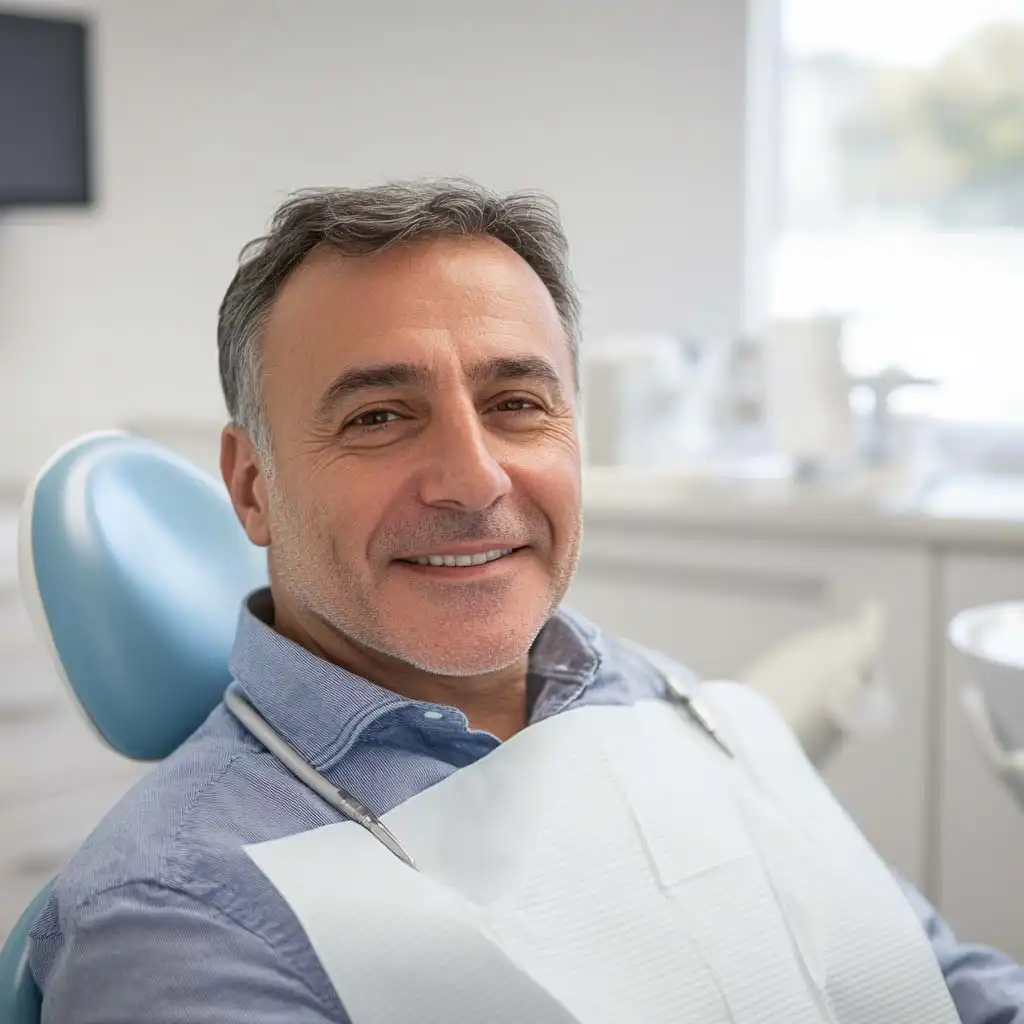

Arrival and Initial Steps
Upon arriving at the dental office, your vital signs will be checked, including:
- Blood pressure
- Heart rate
- Oxygen levels
- Temperature
The dental team will review your pre-procedure instructions and ensure you follow all guidelines. They’ll answer any last-minute questions about the procedure or sedation process.
Starting the IV Sedation
Many patients worry about the IV placement, but most find it much easier than anticipated. A small needle creates access for the IV line, typically in your hand or arm. The area is numbed with a topical anesthetic, making the process more comfortable.
Once the IV is placed, the sedation medication begins flowing. You’ll start feeling its effects within a few minutes. Most patients describe a warm, relaxed sensation spreading through their body. Some people feel a bit light-headed or tingly – these are normal reactions.
During Your Procedure
While under IV sedation, you’ll remain in a twilight state. Although technically conscious, you’ll be deeply relaxed and likely won’t remember much of the procedure. You can still respond to simple commands, which helps the dental team work efficiently.
Throughout your treatment, a trained professional continuously monitors your vital signs. The sedation level can be adjusted at any time to ensure your comfort and safety. Multiple monitors track you:
- Heart rhythm
- Blood pressure
- Oxygen saturation
- Breathing rate
Waking Up
As your procedure concludes, the sedation medication is stopped. You’ll gradually become more alert, though the full effects take several hours to wear off completely. During this initial recovery period, you might feel:
- Drowsy or groggy
- Slightly dizzy
- Slight disorientation
These feelings are normal and will fade with time.
Recovery Period
The immediate recovery period occurs in the dental office, where you’ll be monitored until you’re stable enough to go home. This typically takes 30-60 minutes, though it varies among patients.
Your designated driver will receive detailed post-sedation care instructions. For the next 24 hours, you should:
- Rest at home
- Avoid driving or operating machinery
- Skip strenuous activities
- Hold off on important decisions
- Stay hydrated
- Eat light, easily digestible foods
Following Days
Most patients can return to their everyday routines the day after IV sedation. However, you might notice some lingering effects for up to 48 hours, such as mild grogginess or feeling slightly “off.” This is normal and will resolve on its own.
Long-term Benefits
Many patients find that their experience with IV sedation changes their perspective on dental procedures. Completing necessary dental work without anxiety or discomfort often leads to better oral health maintenance in the future.
When to Contact Your Dentist
While complications from IV sedation are rare, know when to seek help. Contact your dental office if you experience:
- Prolonged nausea or vomiting
- Severe headache
- Unusual bleeding
- Signs of infection at the IV site
- Breathing difficulties
- Prolonged sedation effects
Contact The Dental Anesthesia Center Today
Ready to learn more about IV sedation for your dental procedure? Our experienced team is here to answer your questions and help you understand if IV sedation is right. Contact us today to schedule a consultation and take the first step toward stress-free dental care.