To ease anxiety, dentistry has developed sedation methods that help patients relax during dental treatment.
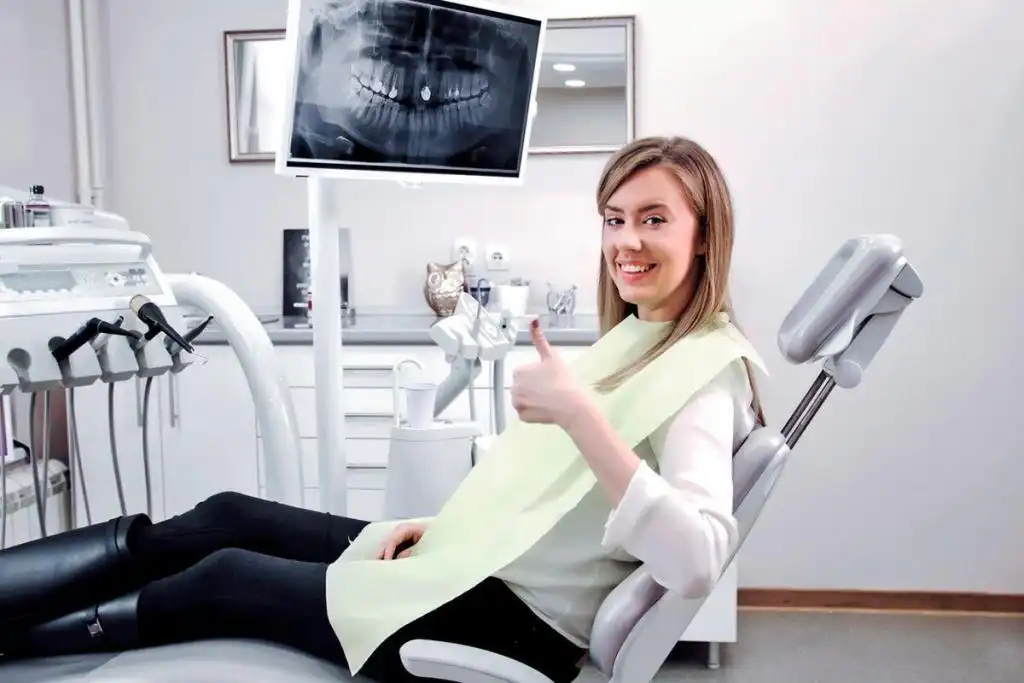
Did you know 50% of people admit to some form of anxiety visiting the dentist, with roughly 1 in 6 avoiding dental care altogether because of it? To ease anxiety, dentistry has developed sedation methods that help patients relax during dental treatment.
Devon’s has received his dental services here for several years. The staff are always pleasant. Dr. Hoffman unmatched. His bedside manner is always welcoming. Devon receives amazing care and support based on his assessed needs. Feedback and instruction is clear and detailed. Follow-up is greatly appreciated. I appreciate their acceptance of differences and assurance that Devon will be taken care of.
Response from the owner:Thank you for your kind words and continued trust in our team! We’re grateful to be part of Devon’s care and truly appreciate your thoughtful feedback.
Best Dentists in St. Louis. Really a great dental experience. I have used this office for regular dental care, cavities, crowns, and cosmetic dentistry. Teeth look great.
Response from the owner:Christopher we apologize for the belated response. We are very pleased to hear you have a great dental experience with our office! Thank you for your kind words. We look forward to seeing you at your next dental appointment!
Dr. Behl!
I cannot recommend Dr. Maris Behl enough. If you have dental anxiety, she is truly the kind of dentist you hope to find. If teeth could be wrapped in pillows and protected by flying unicorns, Dr. Behl would somehow make it happen.
I have significant anxiety around dental procedures and have needed deeper sedation for dental work in the past. From the beginning, Dr. Behl took the time to listen to my concerns and made me feel genuinely heard rather than dismissed or rushed. She created such a sense of trust and safety that I was eventually able to have my dental work done with only nitrous instead of full sedation, which is something I honestly didn’t think I would be comfortable doing.
During my crown placement, she explained what she was doing throughout the procedure, which made an enormous difference in keeping me calm. She also took the time to address a filling that had been bothering me for what felt like forever — and she actually fixed the problem.
What stands out most about Dr. Behl is how safe I feel in her care. She is compassionate, patient, communicative, and incredibly attentive to how her patients are feeling. For someone with dental anxiety, that combination is invaluable.
Finding a dentist I trust this much has completely changed my experience with dental care. I am incredibly grateful to Dr. Behl and would recommend her without hesitation, especially to anyone who has dental anxiety or has struggled to feel comfortable receiving dental treatment.
Response from the owner:Thank you for such incredibly kind words! We’ll be sure to pass this along to Dr. Behl. We’re pretty sure the flying unicorns are going to be the part she remembers most! 🦄💙 We’re so glad our team could help make your experience a more comfortable one.
Types of Sedation Dentistry
Many can achieve relaxation with an oral sedative taken about an hour before a visit. , some with acute anxiety may need deeper sedation through an intravenous (IV) injection of medication. Unlike general anesthesia, which achieves complete unconsciousness to block pain, IV sedation reduces consciousness to a controllable level. Patients aren’t so much “asleep” as in a “semi-awake” state that’s safe and effective for reducing anxiety.
While there are various IV medications, the most popular for dental offices are the benzodiazepines, most often Midazolam (Versed). Benzodiazepines act quickly and wear off faster than similar drugs and have a good amnesic effect (you won’t recall details while under its influence). While relatively safe, they shouldn’t be used with individuals with poor liver function because of their adverse interaction with liver enzymes.
Other drugs or substances are often used in conjunction with IV sedation. Nitrous oxide (“laughing gas”) may be introduced initially to help with anxiety over the IV needle stick. Sometimes, pain-reducing drugs like Fentanyl may be added to the IV solution to boost the sedative effect and reduce the primary drug’s amount.
If we recommend IV sedation for your dental treatment, there are some things you should do to help the procedure go smoothly and safely. Because the after-effects of sedation may impair your driving ability, be sure you have someone with you to take you home. Don’t eat or drink anything after midnight the day before your appointment, and consult with both your physician and dentist about taking any prescription medication beforehand. Wear loose, comfortable clothing, and don’t wear contact lenses or oral appliances like dentures or retainers, watches, or other jewelry.
The Dental Anesthesia Center
Our top priority is safety. We follow strict standards and protocols regarding IV sedation, and you’ll be carefully monitored before, during, and after your procedure. Performed with the utmost care, IV sedation could make your next dental procedure pleasant and uneventful and improve your oral health.
Call Us Today
The first two board-certified Dentist Anesthesiologists in the state of Missouri.