Oral vs. IV sedation: what’s the difference? Learn how each works, who they’re for, and which option may be best.
If you’ve been told you may need sedation for dental care, one of the first questions is often: “What kind of sedation is right for me?”
Two of the most common options are oral sedation and IV sedation. While both are designed to help patients relax, they differ in how they work, how effective they are, and who they’re best suited for.



Why Sedation Type Matters
Not all dental anxiety is the same. Some patients feel mildly nervous but can still get through an appointment. Others experience:
- Panic or a sense of losing control
- Difficulty sitting still for long periods
- A strong gag reflex
- Past traumatic dental experiences
- Complete avoidance of care
The type of sedation you choose should match your level of anxiety, your medical needs, and the amount of treatment required.
What Is Oral Sedation?
Oral sedation involves taking a prescribed medication (usually a pill) before your dental appointment. It’s designed to help you feel relaxed and less aware of the procedure, while still remaining awake.
What It Feels Like
Patients often describe oral sedation as:
- Feeling drowsy or heavy
- Less aware of time passing
- Calmer and less reactive to what’s happening
You are still conscious, but more relaxed.

Key Characteristics of Oral Sedation
- Taken before the appointment (by mouth)
- Effects can take time to begin
- The level of sedation is moderate and less predictable
- You remain awake and able to respond
- May not fully eliminate anxiety in more severe cases
When Oral Sedation May Be Appropriate
Oral sedation can work well for patients who:
- Have mild to moderate dental anxiety
- Can tolerate being in the chair with support
- Need shorter or less complex procedures
- Do not require deep sedation
What Is IV Sedation?
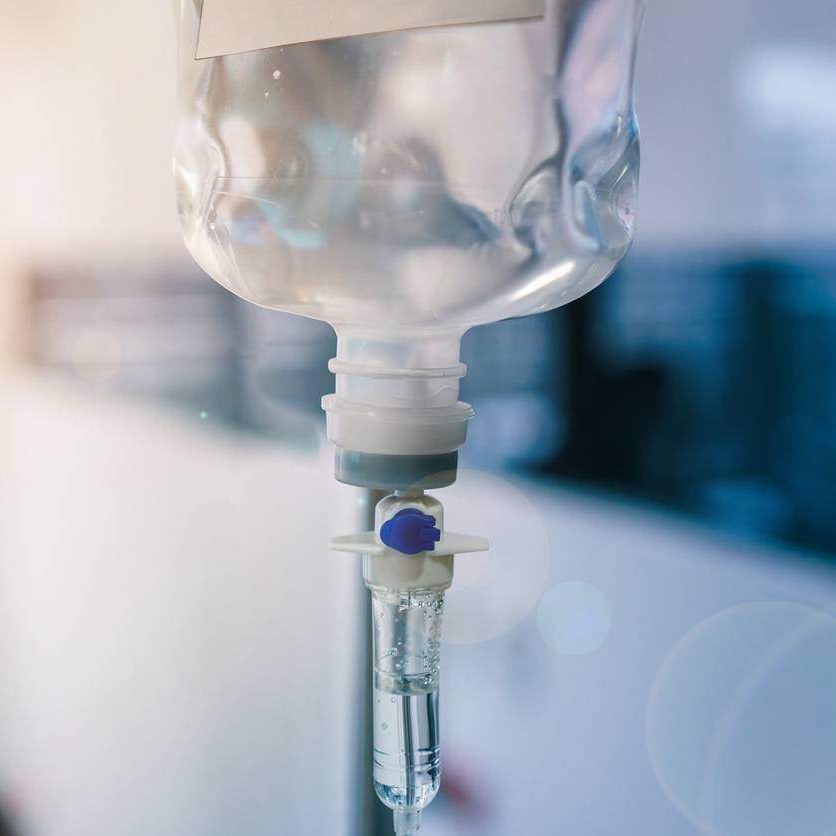
IV (intravenous) sedation is administered directly into the bloodstream through a small IV line. It allows for a deeper, more controlled level of sedation compared to oral medication.
What It Feels Like
With IV sedation, patients typically:
- Feel deeply relaxed very quickly
- Drift into a sleep-like state
- Have little to no memory of the procedure
While not always full general anesthesia, it is significantly deeper than oral sedation.
Key Characteristics of IV Sedation
- Administered and adjusted in real time
- Works quickly and predictably
- Allows for a deeper level of sedation
- Often results in little or no memory of treatment
- Continuously monitored by trained professionals
When IV Sedation May Be Recommended
IV sedation is often the better choice for patients who:
- Experience severe dental anxiety or panic
- Have had unsuccessful attempts with oral sedation
- Need extensive or longer procedures
- Have strong gag reflexes or difficulty staying still
- Have special needs that make traditional care difficult
A Common Question: “Which One Do I Need?”
The answer depends on your situation—not just your preference. A proper evaluation will consider:
- Your level of anxiety
- Past dental experiences
- Medical history
- The amount and complexity of treatment
In general:
- Oral sedation may be enough for mild to moderate anxiety
- IV sedation is often more appropriate for moderate to severe anxiety or complex care
Ready to Talk Through Your Options?
If you’re unsure which type of sedation is right for you or your loved one, the best next step is a consultation. We’ll take the time to understand your experience, answer your questions, and explain what level of sedation would be most appropriate—without pressure. Contact The Dental Anesthesia Center by calling us at (314) 862-7844 or filling out our contact form.
Call Us Today
The first two board-certified Dentist Anesthesiologists in the state of Missouri.