Saying that you have good oral hygiene habits doesn’t necessarily mean the same thing to a dentist. Make sure that your “good” oral hygiene routine also meets your dentist’s standards.
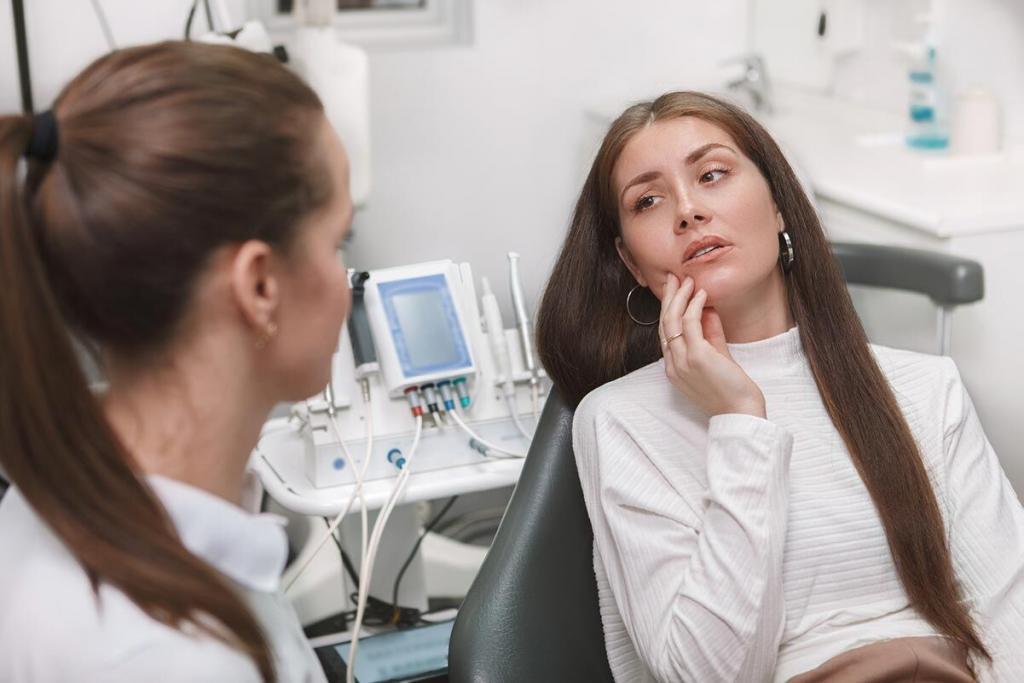
It’s not uncommon for a patient to be shocked when their dentist tells them they have a cavity. It’s frustrating because not only do they rarely get cavities, but they brush and floss regularly. So how is it possible to get a cavity when you have good oral hygiene habits?
If you find yourself in this situation, we understand how frustrated you feel. At The Dental Anesthesia Center, we value our patient relationships, making it our priority to deliver the gentle dental care that you deserve from sedation dentists in St. Louis.
Omg!! This place is Amazing! The people who work here are so very nice and understanding. I love this team
I will always sing the praises of this office. Their care and compassion are beyond amazing!
Response from the owner:Thank you so much for your kind words, they mean the world to us.
I went to DAC because I have a hearing impairment which makes the sounds of dental work incredibly painful. (Bone conduction)
Because of this, I had not been to the dentist in years.
Being able to go to sleep and have all my dental work done while I was out was incredible! I had a tooth extracted, a root canal, 4 fillings and a cleaning all at the same visit!
The staff was so caring and understanding, it made me feel really good.
I will only go here for my dental work from now on.
Response from the owner:Thank you so much for your thoughtful review! We’re honored to provide care in a way that meets your needs and makes you feel comfortable and supported. 💙
Got my wisdom teeth removed. They did great highly recommend 👏
Response from the owner:Thank you for your kind words and recommendation! We’re so glad to hear you had a great experience with us. 😊
Michael Hoffman is a miracle worker and is the olny dentist that I've ever felt comp comfortable with.
Response from the owner:Thank you for your kind words! We're so glad to hear you felt comfortable during your visit. We appreciate your support!
I have never had a bad experience going to this dental group! The staff are delightful, professional and efficient. I have referred the Dental Anesthesia Center to friends many times, particularly those who are anxious about going to a dentist!
Response from the owner:Thank you for your thoughtful review! We’re so glad to hear you’ve had positive experiences with our team. Your referrals mean a lot to us!
Had an apt for a new dentist (insurance would not cover our old one anymore). It was supposed to be just an evaluation/ cleaning. But I developed severe dental pain Wed and yesterday was really bad. The new office does an incredible job! Not only did The Dental Anesthesia Center - SLEEP DENTISTRY ST. LOUIS change my visit, they found the source of the pain (cracked tooth with previous filling that needed a root canal) bit they FIXED IT and I was relaxed (thanks to the nitrous gas) and had no pain thanks to Dr B & her amazing assistants. I had a good dentist before, but this was the best dental experience I've ever had.
Thank you!
Response from the owner:Thank you for your kind feedback! We're so glad we could help make your visit comfortable and get you relief quickly. We truly appreciate your trust in our team!
I became a patient of Dr. Hoffman when he was the only dentist and the office was much smaller. I needed a dentist who could safely sedate me when I had dental work done. I've seen the practice grow into the The Dental Anesthesia Center. Dr. Hoffmann, Dr. Thoms, and Dr. Behl can fix any problem with your teeth without being you being anxious. The Dental Hygienists have a special skill of making sure you are calm while sitting in their chair. The office staff do a fabulous job of running the office smoothly. Continuing education is very important in the practice. I like how much everyone on the staff work together to make sure you visit is the best part of your day. The staff participates in several find raising events for local charities. There isn't a better Dentist in St. Louis.
Response from the owner:Thank you for your thoughtful and generous review. We appreciate you taking the time to share your experience with our practice over the years. We are so glad to hear that our efforts in providing compassionate, high-quality care in a calm and supportive environment have made a difference for you. We also truly value giving back to the community and appreciate you noticing. Your support means the world to us!
Dr. Thoms and his staff are wonderful with our special needs daughter. They are kind and patient with her, and always keep us informed during her procedures. We wouldn’t take her anywhere else!
Response from the owner:Thank you so much for your kind words and trust in our team. It means a great deal to know that you feel supported and informed during your visits. We truly appreciate your confidence in us!
Thanks to all the great staff and Dr. Hoffman for all wonderful help you gave to our son.
Thank you
Response from the owner:Thank you for your kind words! We truly appreciate your trust in our team—it means a lot to us.
Seeing Dr Hoffman at the Dental Anesthesia Center has been one of the best decisions I have made in my life. Dr Hoffman and all of his staff, the other dentists, the dental assistants and the front desk personnel are the absolute best. Everyone I’ve encountered in the office have been so kind, patient, professional and compassionate. I will always have a degree of dental anxiety, but everyone shows such compassion and understanding, that it really helps make you feel less anxious.
Response from the owner:Thank you so much for your heartfelt review. We're truly honored to be part of your care and grateful for your kind words about our team. Helping patients feel safe, supported, and comfortable is at the core of everything we do. Your trust means the world to us!
Our son, Jimmy Henderson , has been having all of his dental care done by Dr. Michael Hoffmann and his team at the Dental Anesthesia Center for the past 10 years. He goes there once a year and they put him to sleep, clean his teeth, take x-rays and fix anything that needs to be repaired. They are such a blessing for us and our son. He couldn’t tolerate a regular dentist. We heartily recommend them for your dental care. Terry & Debbie Henderson
Response from the owner:Thank you so much for your kind and thoughtful review. We are truly grateful for your trust and support over the years. Our team is dedicated to providing compassionate, individualized care in a safe and comfortable environment. Your recommendation means the world to us!
Dr. Hoffmann and his awesome staff are always on time and do a great job. A very professional group of people providing excellent dental care.
Response from the owner:Thank you for your kind feedback! We’re grateful for your support and proud to provide timely, professional care to our patients.
I am happy to see dentists finding ways to make things easier for those who don't like to go to the dentist. I have even seen some dental offices that have been tricked out to make the little patients to think that he or she is in a much different place than the dentist office. Historically the building was built in the 1950s and the office used to belong to an opthamologist.
Response from the owner:Thank you for your thoughtful review! We're dedicated to creating a comfortable space for all our patients—especially the little ones.
Dr. Hoffman is very skilled. Additionally everyone one on his team and in his office are great. Very compassionate and patient.
Response from the owner:Thank you so much for the 5-star review—we truly appreciate your support!
Absolutely highest quality service and staff! My son was treated so well and it made a scary appointment easier for him to handle. If I could, I’d give 10 ⭐️!
Response from the owner:Thank you so much for your kind words! We're thrilled to hear that your son had a positive experience and that we could make his appointment easier.
Christy and Dr. Behl spent a lot of time with me making sure I was comfortable and my anxiety was not ramping up. They both explained exactly what they were doing before they did it and gave me frequent breaks to catch my breath.
Response from the owner:Thank you so much for your kind words! We're glad you felt comfortable and cared for throughout your visit. Your trust means a lot to us!
Great staff, and great experience!
Response from the owner:Thank you so much for the 5-star review—we truly appreciate your support!
I wouldn’t trust anyone else with my son. Flawless experience and staff. Highly recommended.
Response from the owner:Thank you for your trust and kind words! We're thrilled to hear you had a great experience and appreciate your recommendation.
Love these folks. They go above and beyond. So much so I am a regular dental patient! So gentle and caring, I could not say enough.
Response from the owner:Thank you for the kind words!
I've been with this group for about a decade & can't say enough good things about them. From the dentists to the hygienists to the desk staff, they are fabulous. I have incredibly high anxiety when it comes to dental work & they go out of their way to make me feel as comfortable as possible. I've never had a bad experience & if it wasn't for them I'd still be getting dental cleanings under real anesthesia due to the fear. They turned that around for me & while I still feel anxiety, I'm able to get cleanings without any anesthesia, pills, gas, etc. I've had both large scale & routine work done there & highly recommend them. Extremely helpful, professional & pleasant staff all around. Wonderful people.
Response from the owner:Thank you so much for your trust and kind words! We're honored to have helped you overcome your dental anxiety and appreciate your recommendation.
A 10/10 Experience!
I cannot express how grateful we are for Dr. Thoms and his team! Their sensitivity, expertise, and dedication made a potentially challenging dental experience for our daughter as comfortable and stress-free as possible (for her AND us!).
We were very impressed by Dr. Thoms' thoroughness in explaining the procedure and his willingness to answer all of our questions, alleviating any anxieties we had. The ability to be present by our daughter's side as she was falling asleep was a huge comfort factor.
We felt a sense of genuine care and compassion towards our daughter and felt that they treated her as if she was one of their own. Dr. Thoms and his team clearly go above and beyond to provide exceptional patient care and makes a complex dental procedure feel safe, comfortable, and even reassuring. A huge THANK YOU to Dr. Thoms and his team!
Response from the owner:Thank you so much for your heartfelt review! We’re truly grateful for your trust and are so glad Dr. Thoms and our team could make the experience as comfortable and reassuring as possible for your family. It means the world to know you felt supported every step of the way!
Always a great experience. Carrie does a wonderful job keeping my smile healthy and bright. Dr. Thoms is always very nice and professional. They make going to the dentist much less stressful!
Response from the owner:Thank you for the great feedback! We're so glad Carrie and Dr. Thoms have made your visits comfortable and enjoyable.
The Dental Anesthesia Center (DAC) is truly unique. They provide all forms of anesthesia - and a wide range of dental treatments. I have been a patient there for 17 years - and I continue to be impressed with the legacy of expertise and kindness built by Dr. Hoffmann and his team.
If your dental phobia and dental issues have made you feel hopeless ... I encourage you to contact the DAC for a consultation. That's what I did 17 years ago - and it proved to be a very good decision and a true blessing.
Response from the owner:Thank you for your continued trust and kind words! We're honored to have be part of your journey. It means so much to know we've made a lasting impact—your story is truly inspiring!
I just had my first visit with Dr. Thoms. He took his time and thoroughly explained everything to me about sedation and dental procedures. He is extremely knowledgeable and very friendly. Comfort of their patients is utmost in their minds at this practice and Dr. Thoms, Emily and Robyn are outstanding! Highly recommended!
Response from the owner:Thank you for the wonderful review! We're so glad your visit with Dr. Thoms was a great experience. We truly appreciate your kind words about our team and are grateful for your recommendation!
I just had my implant surgery 3/22 with Dr. Thoms.The patients Dr. Thoms has with me is simply INCREDIBLE!!!!! I know I’m a lot to deal with. I am so blessed to have crossed paths with Dr. Thoms.His entire staff goes above and beyond ANY dental office I’ve ever dealt with in the past. from the bottom of my heart, I am so glad that I made the decision to try the dental anesthesia center..
Response from the owner:Thank you so much for your heartfelt words! We're truly grateful you chose us and are honored to be part of your journey. Dr. Thoms and the entire team are so glad to have made a positive impact—your trust means everything to us!
Dr. Hoffman and team are the most amazing dental team you will ever meet. Have been a patient for years and will continue to do so. If you have nerves about going to the dentist, they will eliminate those fears very quickly.
Response from the owner:Thank you for your kind words and continued trust in our team! We're so glad to hear you've had a positive experience. We truly appreciate your support!
AS I SIT HERE THIS MORNING I AM GRATEFUL FOR GOD'S MERCY AND THE STAFF OF DOC. HOFFMAN !!! I AM HOWEVER STILL TO EMBARRASSED FOR THE WALK OF SHAME BRINGING HIS GIFT . I LOST TWO DAYS AND WAS CHOKING ON 19 STICHES EATING SUCKERS SAME DAY SEEMS TO BE WITH MYSELF !!! SO WITH MY SINCERE APPRECIATION, I APOLOGIZE TO ALL !!! EXCELLENT SKILLS IN ALL ASPECTS.
Response from the owner:Thank you so much for your 5 star review. We appreciate your support.
As a 73 year old man, I have been to several dentist’s and none compare to Dr. Thoms and Dr. Behl. The entire staff is very knowledgeable and accommodating. I have had some major work done and I/V sedation is definitely the way to go. Five stars to the entire team at DAC. I highly recommend their services.
Response from the owner:Thank you for your kind words and recommendation! We truly appreciate your trust in our team. It’s always our goal to provide comfortable, high-quality care to every patient.
These folks are great!! Always very professional and personable and don't try to over sell you on what you need done!! I would highly recommend!!
Response from the owner:Thank you for the kind review! We’re glad to hear you’ve had a positive experience with our team. Your recommendation means a lot to us!
I love my friends at the Dental Anesthesia Center! This place has the nicest clinical staff and they do such a wonderful job for any issue that arises. They are prompt and thorough. I love all the hygienists, but especially my personal hygienist, Carrie. My dentist, Dr. Biehl is knowledgeable, friendly, highly skilled and fun.
I started taking my kids here when they needed procedures under anesthesia. Once my former dentist retired (and I realized the DAC also does family dentistry), I switched the entire family to this office. Best decision I ever made.
I’m also so impressed with the experience this team has treating individuals with special needs.
Response from the owner:Thank you so much for taking the time to post your kind review!
I went for a consultation at the center. I was terrified. I saw Dr.Sean Thoms he was so professional and caring. I have had five different consultations at other dentist offices trying to make a final decision on who I feel more comfortable with and no other doctor was as caring or attentive as Dr. Thoms. He called me a couple of days later with SEVERAL different ways he could give the results I wanted. I’m truly blessed to have found Dr Thoms. The entire staff was so professional and attentive. I have made the final decision to put my care in the hands of Dr Sean Thoms
Response from the owner:Thank you for taking the time to share your experience with us, Juanita. Your positive words mean so much to us.
Cheers,
The Dental Anesthesia Center
Maris E. Behl DDS Is a wonderful dentist. She did extensive work including several dental crowns and fillings. There was little to no pain during all of her procedure’s. I am 86 years old and have been to more dentists than I can count. Dr Behl is by far the best of all. If you want a friendly disciplined and accomplished dentist, you will be glad you used her work.
Response from the owner:Thank you so much for your kind words, James. We really appreciate you taking the time out to share your experience with us.
Cheers,
The Dental Anesthesia Center
Best dental office in St. Louis hands down! It’s a great place to go for sedation or just general dentistry! Highly recommend!
Response from the owner:Thank you so much for your 5 star review!
I recently had fillings done by Dr. Thoms. His crew that was helping prep me to go under did an amazing job. I have really bad trauma (& anxiety) from previous dental work and permanent nerve damage from a surgery I had in 2021. The staff and Dr. Thoms made sure that I was calm and comfortable. This has probably been the best experience I have ever had, thanks to this dental clinic. The front end staff is patient and kind to their patients. I would most definitely recommend anyone to go here if they have dental anxiety. Dr. Thoms explained everything very thoroughly during our consult months prior and also the day of my fillings. After we were finished with my filings, I told him about my bottom teeth pushing too much on my 8 and 9 (another issue I had been dealing with after my last dental surgery), he was more than happy to help and filed down my bottom teeth. I am relieved that he was able to do that for me, even though it was not initially planned. The price of the fillings, anesthesia and odontoplasty/enameloplasty was reasonable. I wouldn't want to pay any less because the outcome was worth it.
Response from the owner:Thank you for your kind and detailed feedback. We're so glad to hear you felt comfortable and supported throughout your experience. It means a lot to know our team made a positive impact—we truly appreciate your recommendation!
The entire staff is always very compassionate and patient with my daughter who’s autistic😊 I am a patient as well the staff and the doctor are very knowledgeable and are capable of answering every question explaining in detail to my satisfaction. I am in the process of bringing my grandson to become a patient as well keep up the superb service 👏
Response from the owner:Thank you for your thoughtful review! We truly appreciate your trust in our team. Your kind words mean a lot to us.
I would highly recommend DAC to anyone. I brought our two boys (ages 6 & 3) in to have their routine cleaning. The moment we walked in we were greeted with smiles and warm hellos. The staff does a great job of talking to the boys, saying hello, and making them feel extra special. Carrie cleaned their teeth, and she is awesome. The boys were both so comfortable, she tells them exactly what she is doing, and makes sure they are ok the whole time. She talked with them about their summer plans, school, and fishing. Then Dr. Behl came in to check everything out. She was so personable, informative and positive with the little ones. She explained things very well, and she was so patient as they asked questions or had something to tell her. Thank you to all of the staff at DAC, for being so warm and making this a great experience for the little ones.
Response from the owner:Thank you for your wonderful feedback! Our goal is to make every visit comfortable and enjoyable, and we appreciate your kind words about our staff.
5 Stars!
I skipped going to the dentist for 6 years and what a mistake that was. Everyone at this office is extremely nice and a pleasure to deal with.
Laina, their hygenist is awesome even though she is a Cubs fan. I actually look forward to my 3 month cleanings now and will not miss another.
Dr. Thoms and his team (I requested Julie as an assistant I would do the same :)) were amazing. As I said I skipped going for 6 years so I had some work to be done and chose to be put to sleep instead of 4 visits. They make sure you are as comfortable as possible and even take the time to check up on you after to make sure you are healing properly.
Last but not least, Marie and the entire front office are great. Always a pleasure to deal with and are very accommodating. They are the face of the operation and the tone of the visit is set with them. The amount of care and compassion they show the patients in the waiting room is beyond extraordinary.
Response from the owner:Thank you so much for your generous feedback! The pic really puts this review over the top! We truly appreciate your trust in our team. We're so glad your experience has been positive.
I have a special needs son that needed some work done. The Dental Anesthesia Center is an amazing place I can't imagine Trevor being in any better hands. We love Dr. Thoms and his staff. So nice and caring. A little on the expensive side but very well worth the care he received. I would recommend to anyone that has special needs, fear of dentistry or just in need of a dentist.
Response from the owner:Thank you for your kind words and trust in our team. We’re honored to provide care in a supportive and compassionate environment. Your recommendation means so much to us!

What is Good Oral Hygiene?
Saying that you have good oral hygiene habits don’t necessarily mean the same thing to a dentist. You may brush your teeth twice a day and assume that is good oral health. While brushing your teeth is obviously necessary, there is definitely more to it.
Good oral hygiene includes these five essential habits:
- Brush teeth at least twice a day
- Floss at least once a day
- Avoid sugary drinks and snacks
- Drink plenty of water with meals
- Get dental checkups twice a year
In addition to the basics, there are several other things you should do or avoid to prevent cavities. For instance, how regularly do you go to the dentist for checkups and teeth cleanings? Less than once or twice a year? How about your drinking habits? Some eating and drinking habits can have an immediate effect on our teeth. Do you sip on soda all day long at work? If so, bacteria is growing and causing damage; therefore, brushing twice a day is likely not enough.
How Do Cavities Form?
Our teeth are made up of minerals. When we eat or drink sugary or starchy foods, bacteria in the plaque on our teeth begin producing acid. This acid eats away at the enamel. When the pH in our mouths becomes more acidic, our teeth start losing the natural minerals on our teeth.
When these acids erode the enamel, a cavity, or hole, begins to form. Tooth decay can affect all layers of a tooth. It can take years for a cavity to develop in the solid outer layer of the enamel. However, a cavity forms more quickly as the middle and innermost layers of tooth decay. It can eventually erode to the root, which can cause severe pain and sensitivity.
How to Prevent Cavities
We’re glad you brush your teeth twice a day – that’s a good habit. However, if you’re lacking in some of these other areas, you may be told you have a cavity at your next dental visit. Make sure that your “good” oral hygiene routine also meets your dentist’s standards. Regular brushing, especially after meals, and flossing once a day, are the best combination. Further, avoid sugary and starchy foods that linger on your teeth and cause bacteria to multiply. Finally, get to the dentist at least twice a year for a routine checkup and cleaning.
If you continue to have issues with your teeth, you might have an underlying condition that needs to be identified and addressed. Be sure to discuss this with your dentist at your next visit!
Call Us Today
The first two board-certified Dentist Anesthesiologists in the state of Missouri.