Why Does My Child Keep Getting Cavities?

Published:
Updated:

According to one report, about 42% of kids aged two to 11 get dental cavities.

You are aware of the importance of good oral hygiene habits. So, you brush your toddler’s teeth thoroughly two times a day. You are not giving him any candies or sugary drinks and his diet is overall balanced and healthy. So, why does he keep getting cavities?
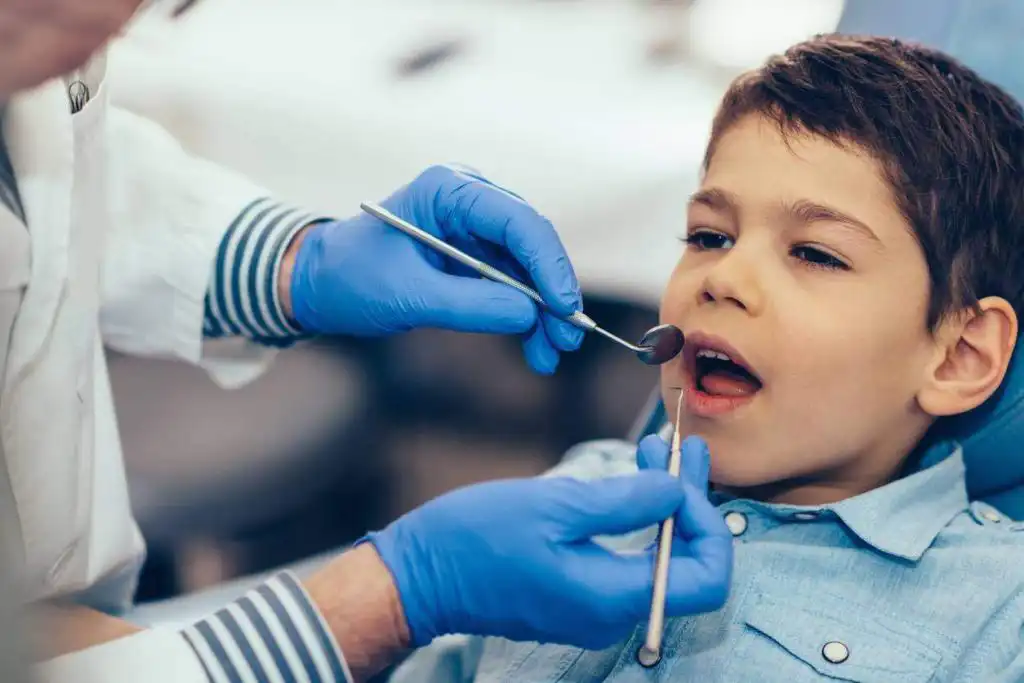
st. louis child with cavity
Dr. Thoms and staff are Amazing!
My son is Autistic and he loves it there.
It’s always scary to put your child with disabilities under anesthesia. So it’s a relief to have such compassionate professionals to rely upon They are so sweet and kind to him it’s so nice to have people who genuinely care.
Response from the owner:Thank you for your kind words! Our team is dedicated to creating a comfortable and supportive experience for everyone who visits our office. We truly appreciate you taking the time to share your feedback and for trusting us with your family’s care.
The Dental Anesthesia Center (DAC) is awesome. When I started there 19 years ago my dental health had deteriorated and my fears were intense. Their expertise and compassion got me back on the right dental track. I still get nervous - but things are so much better now in terms of my dental and gum health.. Don't lose hope - try the DAC!

My appointment today was for a cleaning - and a standard check of gum health etc. Carrie - as always - did EXCELLENT work. She is very kind and thorough and knowledgeable .. and patiently answers all my questions. Carrie is positive and supportive with us patients ... and provides guidance on better at-home care for our teeth and gums.

My thanks also to the office staff who are very helpful with questions or concerns.
Response from the owner:Thank you for your continued trust and kind words! We're honored to have be part of your journey. It means so much to know we've made a lasting impact—your story is truly inspiring!
We’re very thankful to have found the kind folks at the dental anesthesia center. They are patient and informative with what’s needed and how it will get done. Big shoutout to Rebekah and crew at the front desk who always help us figure out all the paperwork and scheduling. Thank you Dr. Behl for your awesome bedside manner! Highly recommend to others
Response from the owner:Thank you for your kind words and recommendation! We’re so glad you had a positive experience with our team. We truly appreciate your support and look forward to continuing to provide compassionate, helpful care.
The entire team at The Dental Anesthesia Center is exceptional.

Not only is Dr. Hoffmann a 10/10 dentist, but he is very trustworthy and only recommends procedures when necessary.

The dental hygienists are uniformly wonderful. During cleanings, they are gentle but are still able to carry on a conversation as they work.

If i moved an hour away, I would still drive my family here for any dental needs.
Response from the owner:Thank you for your wonderful review! We’re so grateful for your trust in our team and are glad your experience with our doctors and hygienists has been a positive one. We truly appreciate your support!
Wonderful place for my special needs daughter. She is not always cooperative. They are very good and patient with her. Thankful she can receive anesthesia at the office and not have to take her for out patient service at a hospital. Thank you to all the staff 😇
Response from the owner:Thank you so much for your kind words and 5-star review! We truly appreciate you taking the time to share your experience. Our team is grateful for your trust and is always committed to providing patient-centered, compassionate care.

The first thing that you need to know is that it’s not unusual. According to one report, about 42% of kids aged two to 11 get dental cavities. It happens so often that cavities are more common than conditions like asthma. Lack of proper oral hygiene, as well as an unhealthy diet, play an important role. However, that’s not the full picture.

How Babies and Toddlers Get Cavities

There is a group of bacteria called streptococcus mutans. The bacteria feed on sugar and produce acid that affects the structure of the teeth. It also creates plaque that erodes the teeth even more, depleting it from calcium. In time, the surface of the teeth is affected and eventually collapses. That’s when you get a cavity.

Babies are born without these bacteria but get infected by their caregivers (most often their mother.) Whenever you are kissing your baby on the mouth, eating with the same spoon or letting him use your toothbrush, you are creating opportunities for the bacteria to populate his mouth. And, if you have cavities yourself, then the chances of passing these bacteria on to them increases considerably.

What You Can Do

The first thing you need to do is to make sure that your toddlers brush his teeth correctly. It can be difficult for babies to understand the concept of cavities and why they need to brush. It’s also uncomfortable for them when someone sticks something into their mouth for no apparent reason. So, try to make brushing as fun as possible.

Here are some ideas:

  • Sing a song and dance while you are brushing
  • Let them brush the toy’s teeth first
  • Let them brush their teeth by himself. Praise him for a good job then tell him that you are just going to make sure that he didn’t miss anything.

It’s Never too Soon to Visit a Dentist

The American Academy of Pediatric Dentistry Association (AAPD) recommends that babies see a dentist by their first birthday. If you wait too long, tooth decay may be well on its way and more difficult to prevent. If you haven’t already, then schedule an appointment with your St. Louis pediatric dentist as soon as possible. They can help you understand what you need to know about how to care for your kid’s pearly whites.

Call Us Today

The first two board-certified Dentist Anesthesiologists in the state of Missouri.

Updated: August 15, 2024

Leave a Comment