
Care for children
Pediatric Sedation Dentistry
Children, like many adults, can experience dental anxiety. It’s common for them to feel anxious at the dentist’s office, especially since it’s a new and unfamiliar environment.
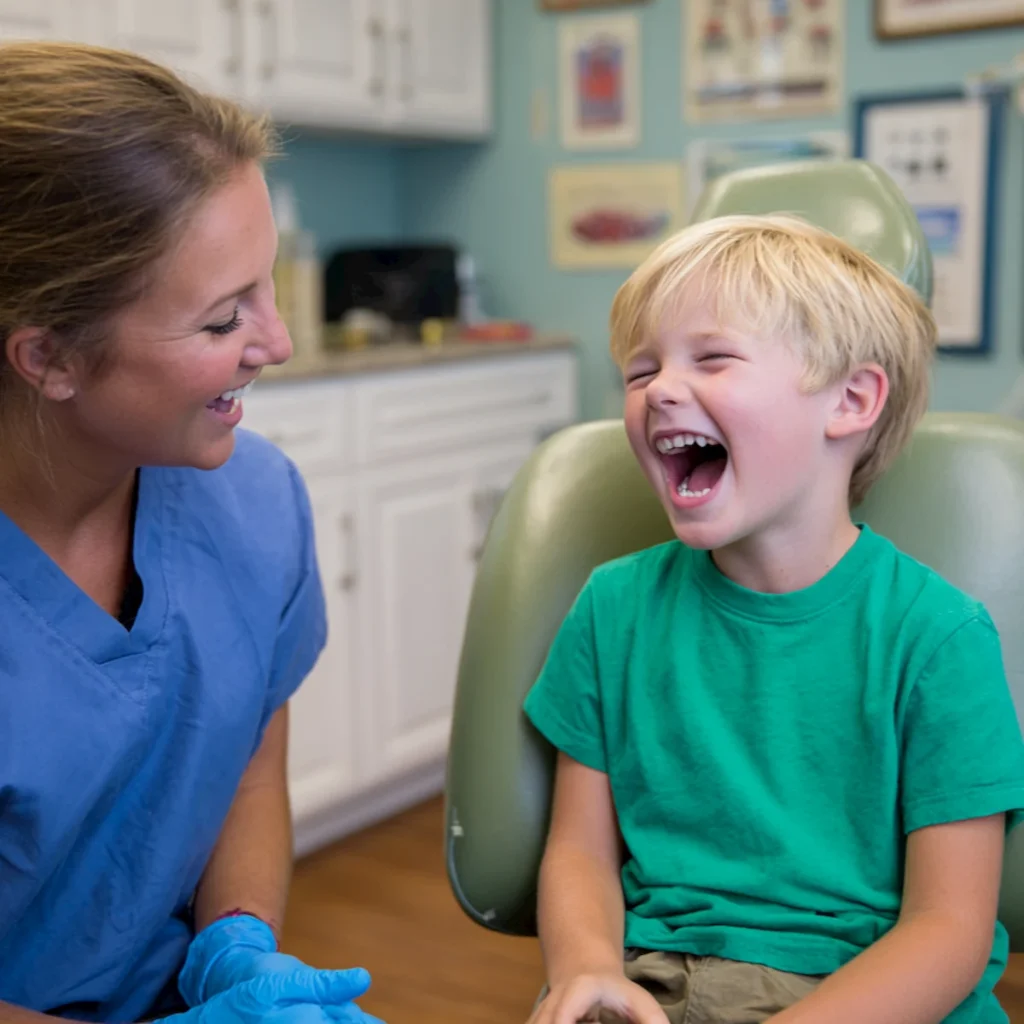
Children experiencing anxiety or those with special needs who are unable to cooperate for necessary dental treatment may benefit from anesthesia services. When you and your child come in for your appointment, Dr. Hoffmann, Dr. Thoms, or Dr. Behl will work with you to determine the best option based on your child’s anxiety level and ability to cooperate. We look forward to meeting you!
Compassionate and Customized Dental Care for Kids
We understand that every child is unique, and some may experience anxiety, sensory sensitivities, or medical conditions that make traditional dental treatments challenging. Our dentists and anesthesiologists are trained to address these concerns with empathy and care, delivering personalized treatment tailored to your child’s needs.
Who we help
Dentistry for Children with Special Needs
Finding a pediatric dentist for special needs can sometimes be challenging. At The Dental Anesthesia Center, our pediatric dental anesthesia team receives advanced training to interact with children who have anxiety and special needs effectively. Our office is fully equipped to accommodate patients with special needs, allowing us to deliver care in a relaxed and comfortable environment for you and your child.
We provide dental care for children with special needs, such as:
- Trauma or PTSD
- ADHD and other neurodevelopmental disorders
- Sensory processing sensitivities
- Behavioral or emotional challenges
Children with anxieties, phobias, severe gag reflexes, or difficulty getting numb are also candidates for our general anesthesia services.
What You Can Do to Help Your Child
Positivity is key! At a child’s first dental visit, parents play a vital role in creating a positive experience by “setting the stage.” Any fear or anxiety presented by the parents will be “picked up” by the child.
Parents can help ease their child’s dental anxiety by bringing them to their dental visits. When children see their parents go to the dentist, it lets them know it is not scary. Introducing the child to the dental office’s waiting room a few days before the dental visit will help the child feel familiar.
Please do not tell your child that something will hurt or be painful. This will only increase your child’s anxiety. Our primary goal is to alleviate our patients’ discomfort and restore their oral health. We strive to make all of our patients as comfortable as possible.
Are You Looking for a Pediatric Dentist Near You?
Why families choose us
Why Choose The Dental Anesthesia Center?
Certified Anesthesia Providers
Our team is certified to administer sedation and general anesthesia safely, prioritizing your child’s comfort and safety.
State-of-the-Art Facility
Our office is equipped with advanced technology designed to provide a high level of care.
Experienced Team
With years of specialized training, our staff is prepared to handle complex dental needs in a calm and nurturing environment.
Family-Centered Care
We partner with parents every step of the way, providing clear communication and support throughout the process.

Accommodations for Service Dogs
We welcome children who rely on service dogs for support. We understand the vital role these trained companions play in providing comfort and assistance during potentially stressful situations. Our facility is service-dog friendly, and we work closely with families to help the child and their service dog feel comfortable during the visit. From creating a designated space for the service dog to stay close by during treatment to accommodating any specific needs, we strive to make the dental experience smooth and supportive for all involved.
If your child uses a service dog, let us know in advance so we can make the necessary arrangements to provide a welcoming, comfortable environment.
Schedule your child’s visit.
Every visit starts with listening. We’ll work with you to choose the right level of sedation based on your child’s anxiety level and ability to cooperate. No pressure, no rush.