
A bright, confident smile can make a difference in personal and professional settings.
Dental veneers are thin, custom-made shells designed to enhance the appearance of your teeth by correcting issues like discoloration, chips, gaps, or misalignment. At The Dental Anesthesia Center in St. Louis, we specialize in providing cosmetic and sedation dentistry for patients who want a stunning smile—comfortably and safely.
Whether you’re dealing with worn enamel or irregular tooth shape, veneers may be the perfect solution to transform your smile.
Ready to boost your confidence? Schedule a consultation today with our experienced dental team.
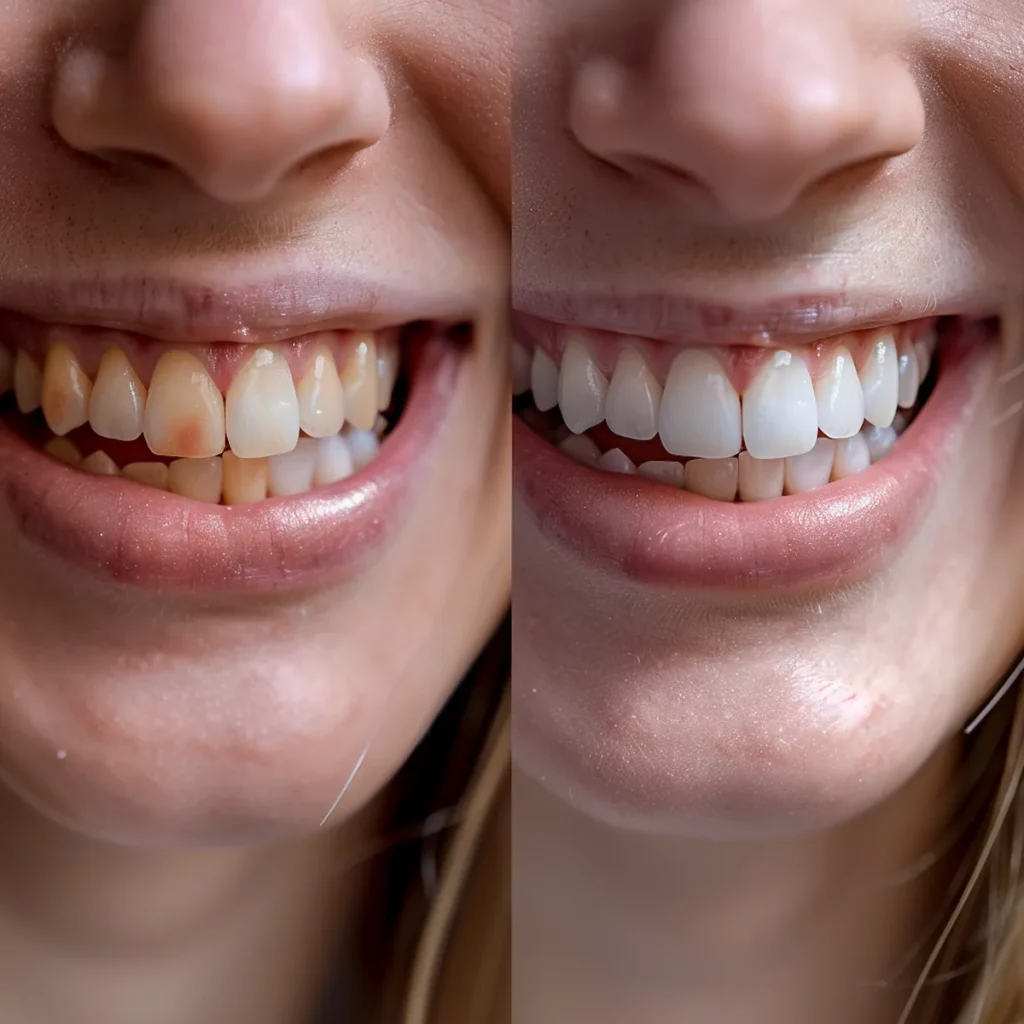


What Are Dental Veneers and How Do They Work?
Dental veneers are ultra-thin, tooth-colored shells bonded to the front surface of your teeth to enhance their color, shape, and size. At The Dental Anesthesia Center, we offer both porcelain veneers and composite resin veneers, depending on your unique dental needs and cosmetic goals.
Porcelain veneers are prized for their durability and stain resistance, while composite veneers are more affordable and can often be applied in a single visit.
Types of Veneers
There are two main types of veneers:
- Porcelain Veneers: These are the most common type. They’re made from a thin layer of porcelain and are known for their durability and natural appearance.
- Composite Resin Veneers: These are made from a tooth-colored filling material. They’re less expensive than porcelain veneers but may only last a short time and can be more prone to staining.
What Issues Can Veneers Address?
Veneers are versatile and can address a variety of dental cosmetic concerns, including:
- Discolored teeth that haven’t responded well to whitening treatments
- Worn down, chipped, or broken teeth
- Misaligned, uneven, or irregularly shaped teeth
- Gaps between teeth
The Veneer Procedure
Getting veneers typically involves three trips to the dentist:
- Consultation and planning
- Preparation of the teeth
- Application of the veneers
During the consultation, you’ll discuss your goals with your dentist and determine if veneers are the right option. Your dentist will examine your teeth and may take X-rays or make impressions of your mouth and teeth.
To prepare the teeth, your dentist will reshape the surface to accommodate the veneer. This usually involves removing a small amount of enamel. A model or impression of your tooth is then made and sent to a dental laboratory to fabricate your veneer.
When your veneers are ready, your dentist will check the fit, shape, and color to ensure they’re perfect for you. The veneers are then permanently cemented to your teeth.
Benefits of Veneers
Veneers offer several advantages:
- Natural appearance: Porcelain veneers, in particular, closely resemble natural tooth enamel.
- Stain-resistant: Porcelain veneers resist stains better than natural teeth.
- Color choice: You can choose the shade of white you prefer for a brighter smile.
- Conservative approach: Veneers generally require less tooth enamel removal compared to crowns.
- Gum tolerance: Gum tissue tolerates porcelain well.
Considerations and Care
While veneers can dramatically improve your smile, they’re not for everyone. Here are some factors to consider:
- Veneers are permanent: You can’t return to your original teeth once you have them.
- They can be expensive: Veneers, especially porcelain ones, can be costly and are often not covered by insurance.
- They may need replacement: While durable, veneers aren’t indestructible and may need to be replaced after several years.
To care for your veneers, maintain good oral hygiene practices like brushing, flossing, and regular dental check-ups. Avoid biting on hard objects or using your teeth as tools to prevent damage to your veneers.
Is Veneer Right for You?
If you’re considering veneers, having a thorough discussion with your dentist is crucial. They can assess your oral health, discuss your cosmetic goals, and help you decide if veneers are the best option for your unique situation.
Remember, while veneers can provide a quick and effective way to enhance your smile, maintaining good oral health is still crucial. Regular dental check-ups and oral hygiene will help your new smile stay bright and healthy for years.
At The Dental Anesthesia Center, we’re proud to offer safe, effective cosmetic solutions—including dental veneers—for patients across St. Louis, Clayton, and the surrounding areas. Whether you’re correcting gaps, chips, or stains, veneers can give you the confident smile you deserve.
Considering veneers?
Contact our St. Louis cosmetic dentists today to schedule your veneer consultation.