Difficulty holding your mouth open due to TMJ? See how sedation and dental anesthesia in St. Louis can reduce stress and jaw strain.
If you have TMJ disorder (TMD), jaw pain, muscle fatigue, or difficulty holding your mouth open for long periods, even a routine dental visit can become painful — sometimes impossible. You may be wondering: Can sedation help with TMJ pain during dental work?
The answer is: Yes — sedation and, in some cases, dental anesthesia can make treatment significantly more tolerable and safer for patients with TMJ pain or limited jaw opening.


Why Dental Visits Can Be So Difficult with TMJ
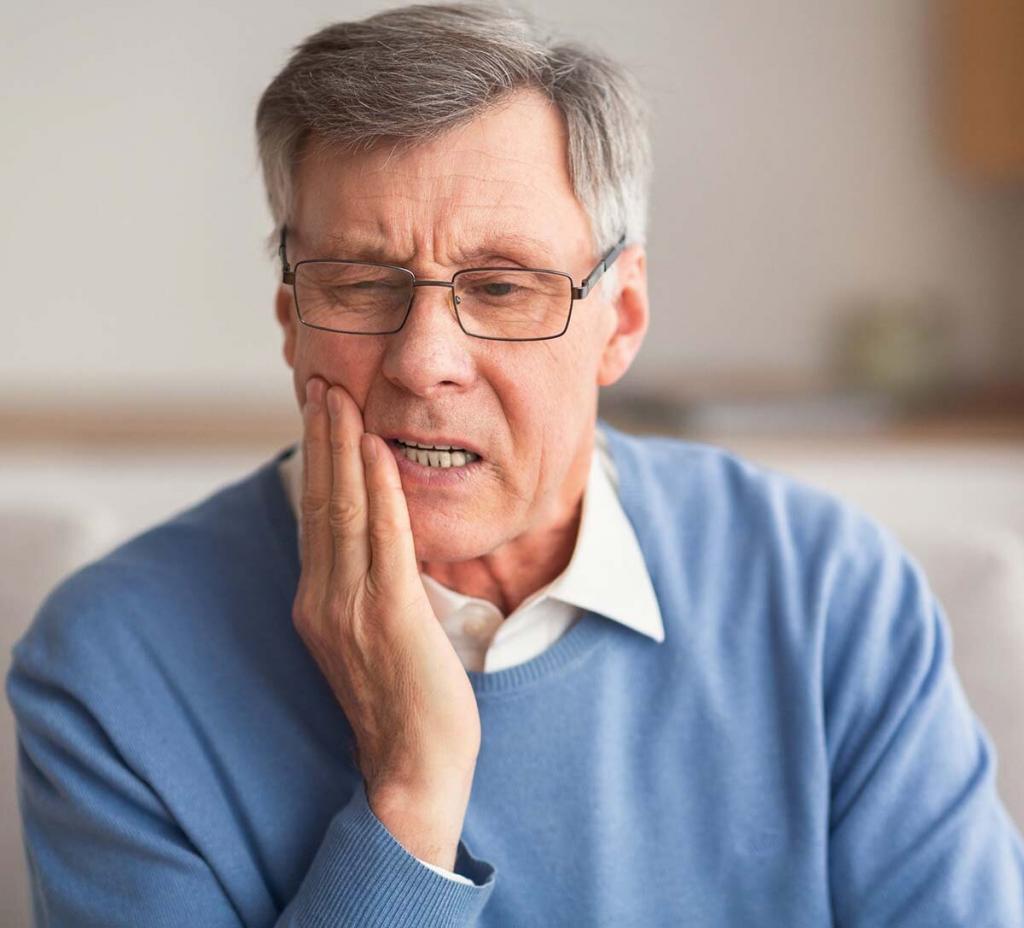
TMJ disorders affect the joint and muscles that control jaw movement. When that joint is inflamed or unstable, holding your mouth open for an extended time can trigger pain, fatigue, or even locking.
Traditional dental care often requires sustained jaw opening while you remain fully awake and tense. For someone with TMJ, that tension can quickly escalate. Stress increases muscle guarding. Muscle guarding increases joint pressure. And joint pressure increases pain.
Over time, many patients begin avoiding care altogether — not because they want to, but because the experience feels physically overwhelming.
How Sedation Helps Patients with TMJ
Sedation and anesthesia can benefit TMJ patients in several important ways:
1. Muscle Relaxation
Many sedation medications relax skeletal muscles, including those around the jaw.
This can:
- Reduce clenching
- Decrease involuntary resistance
- Minimize muscle fatigue
- Make it easier to maintain a comfortable position
For some patients, this alone makes treatment possible.
2. Reduced Stress = Reduced Jaw Tension
Stress significantly increases jaw clenching.
Patients with anxiety often:
- Tighten their jaw unconsciously
- Experience increased TMJ pain during procedures
- Have flare-ups after appointments
Sedation reduces the body’s stress response, which often reduces muscle guarding and pain.
3. Improved Tolerance for Longer Procedures
If you require extensive dental work, spreading it across many short appointments may repeatedly aggravate your TMJ. For appropriate candidates, treatment under deeper sedation or general anesthesia may allow:
- Multiple procedures completed in one carefully coordinated visit
- Reduced cumulative strain
- Fewer total jaw-opening episodes
- Less repeated inflammation
Is Sedation Safe If You Have TMJ?
TMJ itself does not typically increase anesthesia risk. However, airway anatomy, jaw mobility, and overall medical history are always considered when planning sedation.
In anesthesia-based practices, patients are carefully evaluated before treatment. Monitoring during the procedure is continuous, and recovery is structured and supervised. This level of planning is especially important when a patient has physical limitations affecting the jaw.
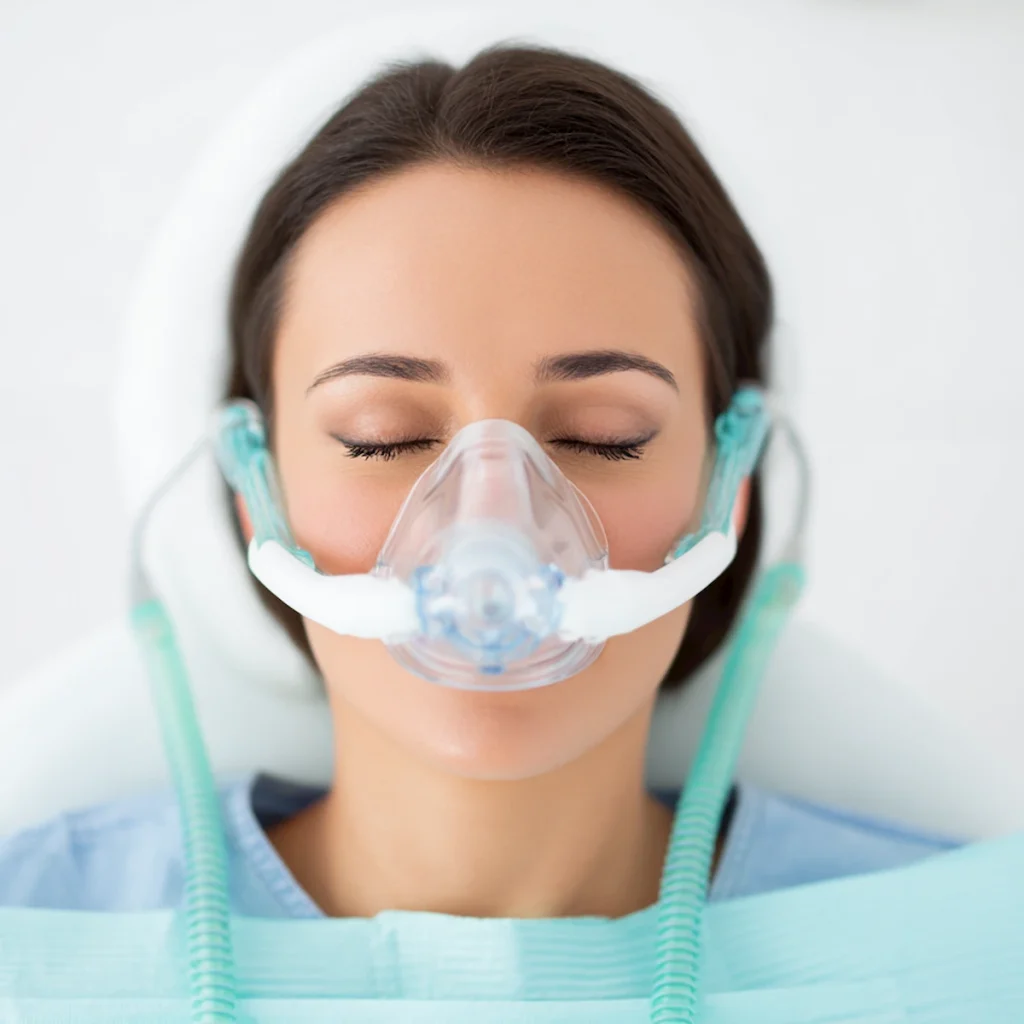
It’s also important to understand that mild oral sedation offered in many general dental offices is very different from deeper IV sedation or general anesthesia. The appropriate level depends on your symptoms, your medical history, and the complexity of treatment.
Who Should Consider Sedation for TMJ-Related Dental Issues?
You may benefit if:
- You experience jaw pain during dental visits
- Your jaw locks or fatigues easily
- You cannot hold your mouth open comfortably
- You avoid treatment due to TMJ flare-ups
- You need extensive work, but cannot tolerate multiple long visits
- Anxiety increases your clenching
Sedation is not a treatment for TMJ itself, but it can make necessary dental care possible and less traumatic.
Considering Sedation Dentistry for TMJ in St. Louis?
If jaw pain or difficulty holding your mouth open has made dental visits feel impossible, the next step is a conversation. At Dental Sleep St. Louis, we focus on patients who cannot tolerate traditional dental environments due to anxiety, physical limitations, or complex medical needs. Treatment planning is deliberate, individualized, and centered on safety.
Contact us today by calling (314) 862-7844 or using our online contact form.
Contact The Dental Anesthesia Center Today
If you need a dentist specializing in comfortable, sedation-based care, contact The Dental Anesthesia Center for expert, compassionate support.