
Whether prescribed by your doctor or bought over the counter, many medications can affect your oral health.
If you are experiencing problems with your oral health, you may want to look at the medications you are taking to see if one of them may be causing an underlying issue. Talk to your dentist if you are uncertain about what may be causing your dental problem.
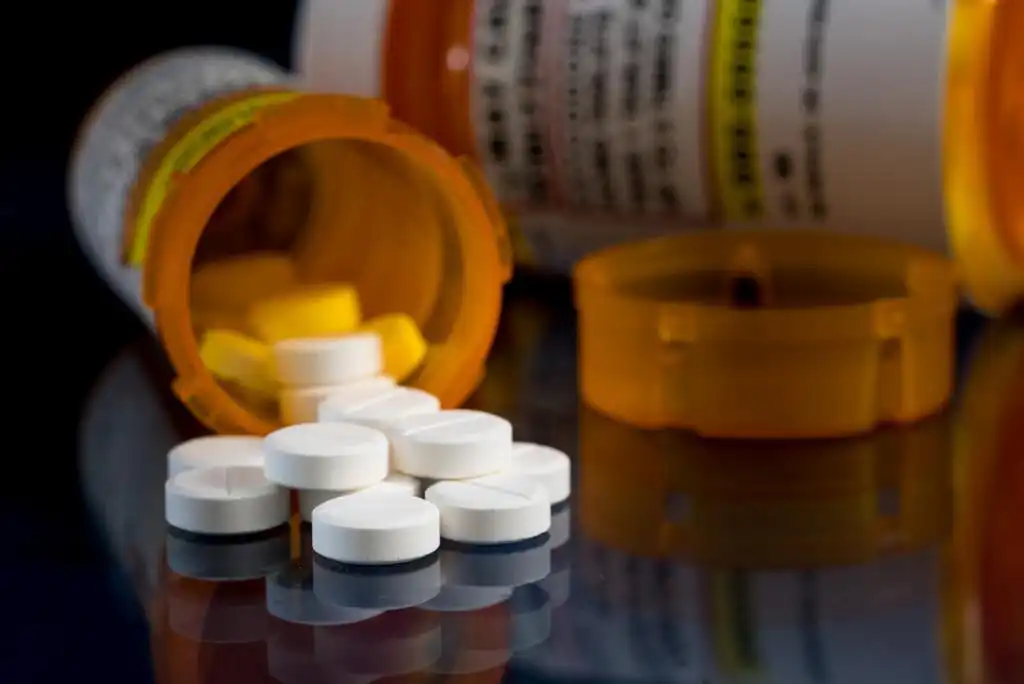


There are prescription medications, over-the-counter drugs, herbal supplements, vitamins, and minerals that can contribute to and cause oral health problems, such as dry mouth.
Side Effects of Certain Medications
Medications contribute to many oral health issues. Some of the most common side effects of certain types of medications that affect a persons oral health include:
- Dry mouth
- Altered taste
- Abnormal bleeding
- Enlarged gums
- Swelling or discoloration of soft tissue
- Mouth sores
- Cavities
- Color changes in teeth and gums
- Bone loss
- Thrush
Medications which Cause Dry Mouth
Dry mouth is a typical side effect of many medications. There are as many as 400 medications known to cause this condition. Saliva keeps food from collecting on your teeth and neutralizes the acids that are produced by plaque. Acids can damage the enamel on your teeth and can increase your risk for gum infections and tooth decay. Therefore, saliva is an essential part of your oral health.
The most common medications that contribute to dry mouth include:
- Blood pressure medications, including diuretics
- Antihistamines
- Decongestants
- Sedatives
- Pain medications
- Antidepressants
- Antacids
- Medicines for Parkinson’s disease
- Cancer treatment medications
What to Do About Dry Mouth
There are many things you can do to combat dry mouth. If your problem is severe, you may want to talk to your doctor and see if it’s possible to change your medication. If that is not an option, or if the issue still persists, here are some helpful tips to help alleviate dry mouth symptoms:
- Sip water or another type of sugarless drink throughout the day
- Ask your dentist about using an artificial saliva product
- Cut down or stop smoking, drinking alcohol or caffeinated drinks
- Drink water or another sugarless drink while eating
- Chew or suck on sugarless gum or candy to promote the production of saliva
- Avoid spicy and salty foods
- Use a humidifier when sleeping
It is important that your dentist is aware of the medications you are taking so that he or she can provide you with the best dental care.
Call Us Today
The first two board-certified Dentist Anesthesiologists in the state of Missouri.