
While nitrous oxide (also known as laughing gas) is generally safe, there are certain patients it is not recommended for.
Commonly known as laughing gas, nitrous oxide is a type of inhalation sedation that has been widely used in sedation dentistry since the 19th century when it was introduced to medicine. It is generally one of the safest substances that is used in sedation dentistry, as it’s effect doesn’t last long.
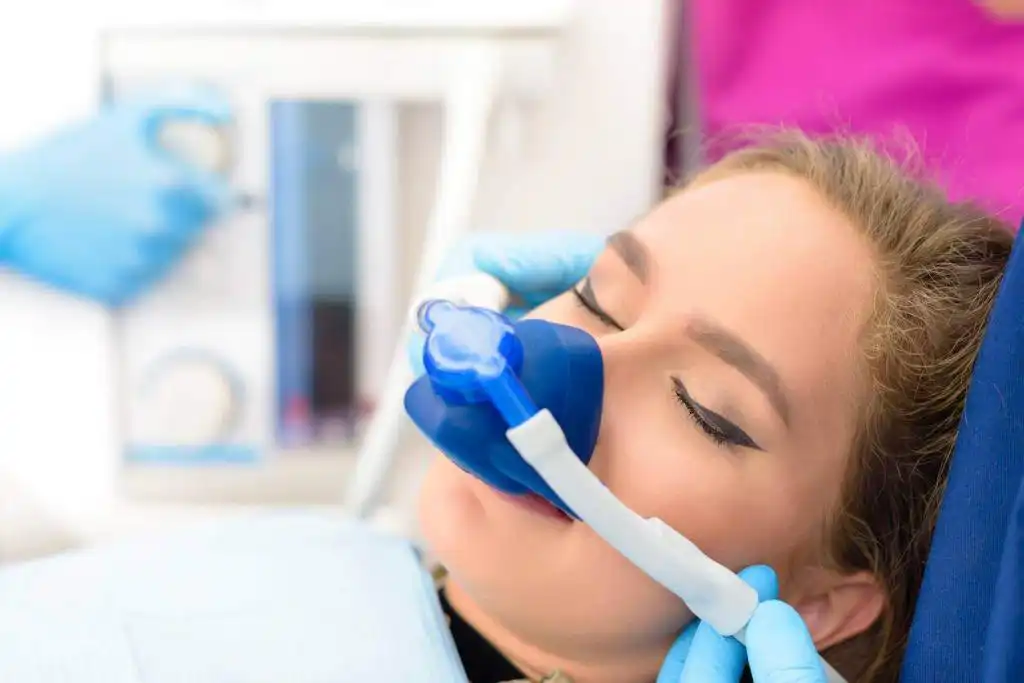


While it may seem perfectly harmless, laughing gas is still a sedative and should be taken only with a recommendation from your St. Louis sedation dentist, as it can have side effects when interacting with other medications or when administered to a person with an incompatible condition. That is why doctors choose the sedation option that is best for the patient instead of adapting the patient to the medication.
When Is Nitrous Oxide Recommended?
Laughing gas is often recommended when a patient has dentist anxiety or when he has to go through a long and tiring procedure. Sedation is an option also when the gag reflex is stronger than average or when the patient simply wants to make the treatment a bit easier to go through.
When it comes to patients that should not be put under stress, like patients with cardiac bypass or suffering from strong anxiety, administering nitrous oxide will generally make the dental procedure safer, as it takes away the associated stress.
Usually, young children that have to go through a dental procedure have trouble being still and patient for so long. Laughing gas can make the procedure possible.
Why It May Not Be Recommended
Although generally safe, there are times it should not be used. That’s why your St. Louis sedation dentist will check your medical history first before determining the best course of action.
Patients who have limited lung capacity or obstructive pulmonary disease should not be administered laughing gas. The safety of nitrous oxide is given by the fact that it acts quickly and wears out quickly as well. With these patients, however, the gas takes longer to act, as it is absorbed slower, and it leaves the body slowly as well. This greatly reduces the advantage of laughing gas has over other forms of sedation.
Patients who have a stuffy nose and are forced to breathe through their mouths may not be good candidates for nitrous oxide either. Laughing gas is administered through nasal airways and it won’t be as effective if the patient cannot breathe well through their nose.
Patients who cough are also to be administered other kinds of sedatives.
Pregnant women should not be administered nitrous oxide unless it is an emergency and the
Patients with intracranial disorders shouldn’t be administered laughing gas, as it can increase the pressure levels in the skull.
Additionally, if you take
Speak With The First Two Board Certified Dental Anesthesiologists in the State of Missouri
The bottom line is that it is extremely important to discuss all of your medical history with an experienced certified dental anesthesiologist before proceeding with treatment. To speak with the only certified dental anesthesiologists in the state of Missouri, call The Dental Anesthesia Center to day at (314) 862-7844.