
How often should you replace your toothbrush? Many people overlook this crucial aspect of oral hygiene.
Your toothbrush is one of the most essential tools for maintaining a healthy smile, but how often do you consider replacing it? If your answer is “not often,” you’re not alone. Many people overlook this crucial aspect of oral hygiene.
Have more questions about oral hygiene? Contact our team at The Dental Anesthesia Center for expert advice and personalized care. We’re here to help you keep your smile healthy and beautiful!


Why You Should Replace Your Toothbrush Regularly
Your toothbrush removes plaque, food particles, and bacteria from your teeth and gums. Over time, its bristles wear out and become less effective. Here’s why timely replacement is important:
- Bristle Wear: Worn bristles lose their stiffness, making them less effective at cleaning hard-to-reach areas.
- Hygiene Concerns: Toothbrushes can accumulate bacteria, fungi, and even mold if not cared for properly.
- Health Risks: Using an old toothbrush can increase the risk of gum damage, bad breath, and ineffective plaque removal.
How Often Should You Replace Your Toothbrush?
The general rule recommended by dentists and oral health experts is to replace your toothbrush every 3 to 4 months. However, there are exceptions where you may need to replace it sooner:
- Frayed Bristles: If the bristles are splayed or worn out, the toothbrush is no longer effective, even if it hasn’t been 3 months.
- Illness: After recovering from a cold, flu, or other illness, replace your toothbrush to prevent reinfection.
- Contamination: If your toothbrush has been stored improperly or exposed to unsanitary conditions, it’s best to get a new one.
Signs It’s Time for a New Toothbrush
- Visible Fraying: Inspect the bristles. It’s time to replace the brush if they’re bent or frayed.
- Discoloration: A toothbrush that looks dirty or stained is no longer hygienic.
- Lingering Odors: If your toothbrush smells bad even after rinsing, it could harbor bacteria.
- Loss of Effectiveness: If your teeth don’t feel as clean after brushing, it might be due to worn-out bristles.
Electric Toothbrush Heads: Replacement Guidelines
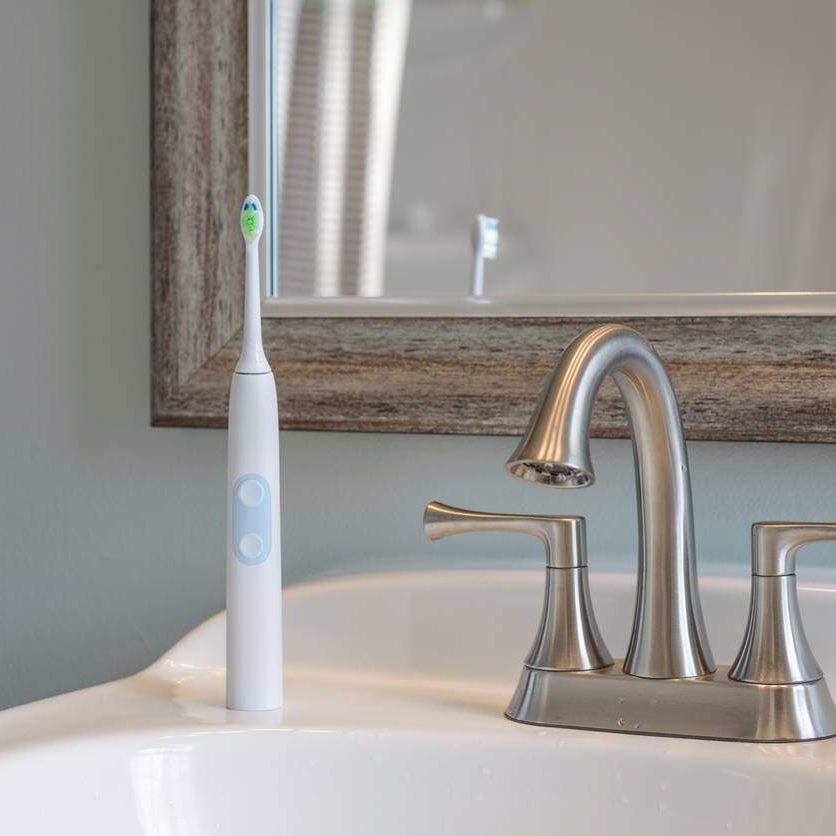
If you use an electric toothbrush, the same rules apply: replace the brush head every 3 to 4 months or sooner if it shows signs of wear. Some electric toothbrush heads have indicator bristles that fade to signal when it’s time for a replacement.
Tips to Prolong the Life of Your Toothbrush
While regular replacement is necessary, proper care can keep your toothbrush in better shape between replacements:
- Rinse Thoroughly: After each use, rinse your toothbrush under running water to remove toothpaste and debris.
- Store Upright: Allow your toothbrush to air dry in an upright position. Avoid storing it in closed containers, which can trap moisture and encourage bacterial growth.
- Avoid Sharing: Sharing toothbrushes can transfer bacteria and germs, so ensure everyone in your household has their own.
- Keep It Away from Toilets: Store your toothbrush far from the toilet to minimize the risk of contamination from airborne particles.
Special Cases: When to Replace More Frequently
Certain factors may require more frequent toothbrush replacement:
- Braces or Orthodontic Appliances: Brushing with braces can wear down bristles faster, necessitating more frequent replacement.
- Children’s Toothbrushes: Kids often chew on toothbrushes, causing them to wear out faster than adult brushes.
- Heavy Brushing Habits: Aggressive brushing can quickly fray bristles.
Why Ignoring Replacement Can Harm Your Oral Health
Failing to replace your toothbrush can lead to:
- Ineffective Cleaning: Worn bristles can’t remove plaque and debris as effectively, leading to a higher risk of cavities and gum disease.
- Gum Damage: Frayed bristles can irritate your gums and cause discomfort.
- Bacterial Overload: A toothbrush filled with bacteria can introduce harmful microbes to your mouth, increasing the risk of infection or bad breath.
Choosing the Right Toothbrush
To maximize your oral health, ensure you’re using the right type of toothbrush:
- Soft Bristles: Soft bristles are gentle on gums and enamel but effective at cleaning.
- ADA Seal: Look for toothbrushes with the American Dental Association (ADA) Seal of Acceptance.
- Comfortable Handle: Choose a brush that feels comfortable for better control during brushing.
Key Takeaways
- Replace your toothbrush every 3 to 4 months or sooner if it shows signs of wear.
- Always replace your toothbrush after being sick to avoid reinfection.
- Proper care and storage can help keep your toothbrush cleaner and more effective between replacements.
You can maintain a healthier, brighter smile and avoid preventable oral health issues by staying vigilant about replacing your toothbrush. Remember, this small change in your routine can make a big difference in your overall dental health!
Have more questions about oral hygiene? Contact our team at The Dental Anesthesia Center for expert advice and personalized care. We’re here to help you keep your smile healthy and beautiful!