
Waking up with jaw pain or headaches? Learn the signs and causes of nighttime teeth grinding and what may help protect your smile. Contact us today.
Many people grind or clench their teeth at night without ever realizing it. Because it happens during sleep, the habit often goes unnoticed until symptoms appear or a dentist spots the telltale signs during an exam. Nighttime grinding, known as sleep bruxism, is common in both children and adults, and understanding it is the first step toward protecting your teeth.
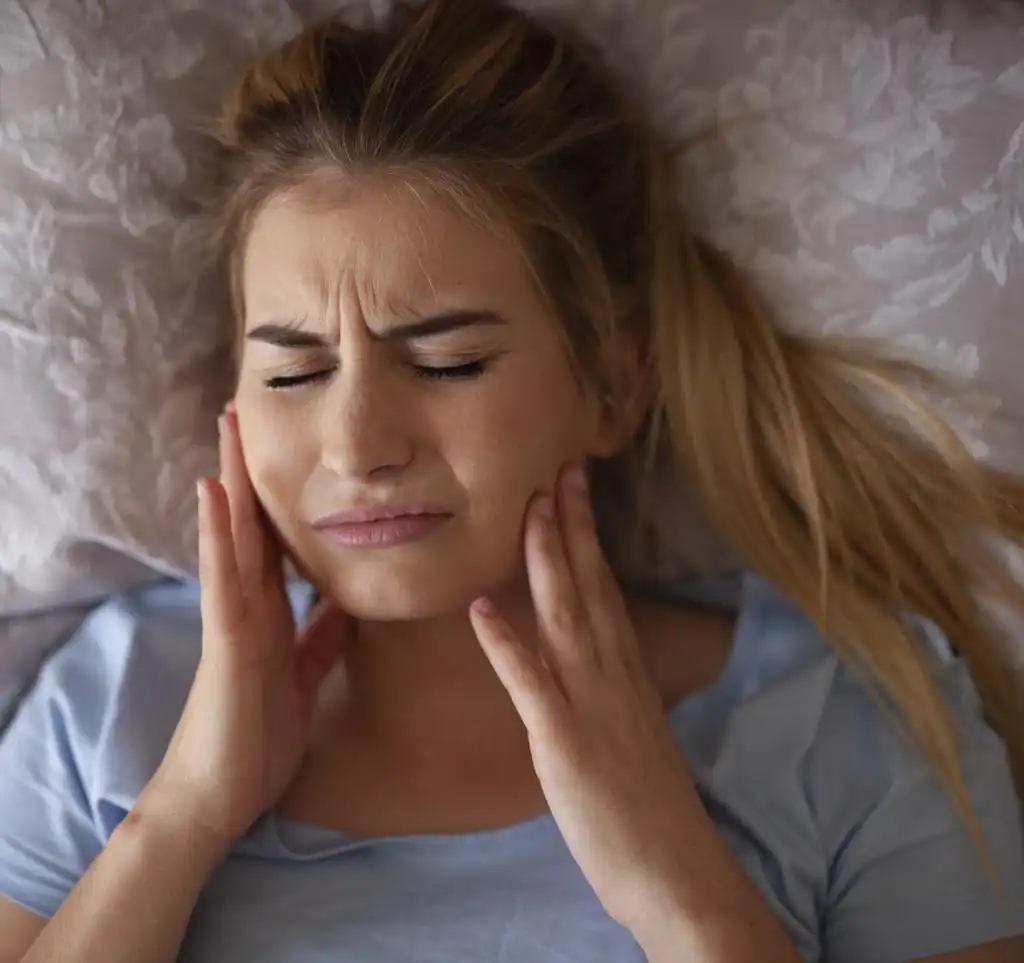
Signs You May Be Grinding Your Teeth
Since you are asleep when it happens, the clues usually show up in the morning or build slowly over time. Common signs include:
- Jaw soreness or tightness when you wake up. The muscles that control chewing can ache after hours of clenching.
- Dull morning headaches, often felt near the temples.
- Tooth sensitivity to hot, cold, or sweet foods that seems to appear without an obvious cause.
- Flattened, chipped, or worn teeth. Grinding gradually wears down the biting surfaces.
- Cracked fillings or crowns. Restorations can fail under repeated grinding pressure.
- A partner who hears it. Grinding can be loud enough to wake the person next to you.
- Cheek or tongue irritation from clenching against the soft tissues of the mouth.
Caregivers may notice these signs in children or in loved ones who cannot easily describe their symptoms. Worn teeth, complaints of jaw pain, or audible grinding during sleep are all worth mentioning at the next dental visit.
What Causes Nighttime Grinding
There is rarely a single cause. Sleep bruxism often results from a combination of factors, which can include:
- Stress and anxiety. Daily tension frequently carries into sleep, and many people clench in response.
- Sleep disorders. Grinding is often associated with snoring and sleep apnea, so it can be a clue that sleep quality warrants closer attention.
- Bite and alignment issues. Teeth that do not fit together comfortably may contribute in some cases.
- Medications and substances. Certain medications, as well as caffeine, alcohol, and tobacco use, have been linked to increased grinding.
- Age. Grinding is common in children and often lessens as they grow, though it can continue into adulthood.
Because the causes vary from person to person, the most helpful approach is to evaluate rather than guess.
Why It Matters
Occasional clenching is usually not a concern, but ongoing grinding can take a real toll. Over time it may wear down enamel, increase sensitivity, loosen or fracture teeth, and damage fillings and crowns. It can also strain the jaw joint, sometimes leading to pain, clicking, or difficulty opening the mouth comfortably. Addressing grinding early often means simpler, more conservative care later.
What May Help
The right approach depends on the cause and the severity, but several options are commonly used:
- A custom night guard. A dentist-made guard fits over the teeth during sleep and cushions them from grinding forces. It does not stop the habit, but it can protect the teeth from further wear.
- Stress management. Relaxation habits such as gentle exercise, breathing techniques, and a calming bedtime routine may reduce clenching for some people.
- Reviewing sleep quality. If snoring or restless sleep accompanies grinding, it may be worthwhile to discuss it with your dentist or physician.
- Limiting caffeine and alcohol, especially in the evening.
- Repairing existing damage. Worn or cracked teeth may need fillings or crowns to restore comfortable function, and a guard can then help protect that work.
For patients with dental anxiety or special healthcare needs, treating grinding-related damage can feel daunting. Sedation options can allow needed repairs to be completed comfortably, often in fewer visits, which may be especially helpful for patients who find long appointments difficult.

When to See a Dentist
If you wake with jaw pain or headaches, notice your teeth looking flatter or feeling more sensitive, or a family member hears grinding at night, it is a good idea to schedule an exam. A dentist can look for wear patterns, check your jaw and bite, and recommend an approach suited to your situation.
Consider Contacting The Dental Anesthesia Center Today
The Dental Anesthesia Center is a doctor-owned, privately owned practice serving patients of all ages, including those with dental anxiety and special healthcare needs. If you have questions about teeth grinding, night guards, or sedation options for your care, we are happy to help. Call us at (314) 862-7844 or request an appointment through the contact form on our website.