
Finding dental care for special-needs patients in St. Louis often requires a provider experienced in sedation, behavioral support, and medical complexities.
Finding quality dental care for patients with special needs can be challenging, especially when traditional dental environments are not designed to accommodate sensory sensitivities, behavioral challenges, medical complexities, or severe anxiety.
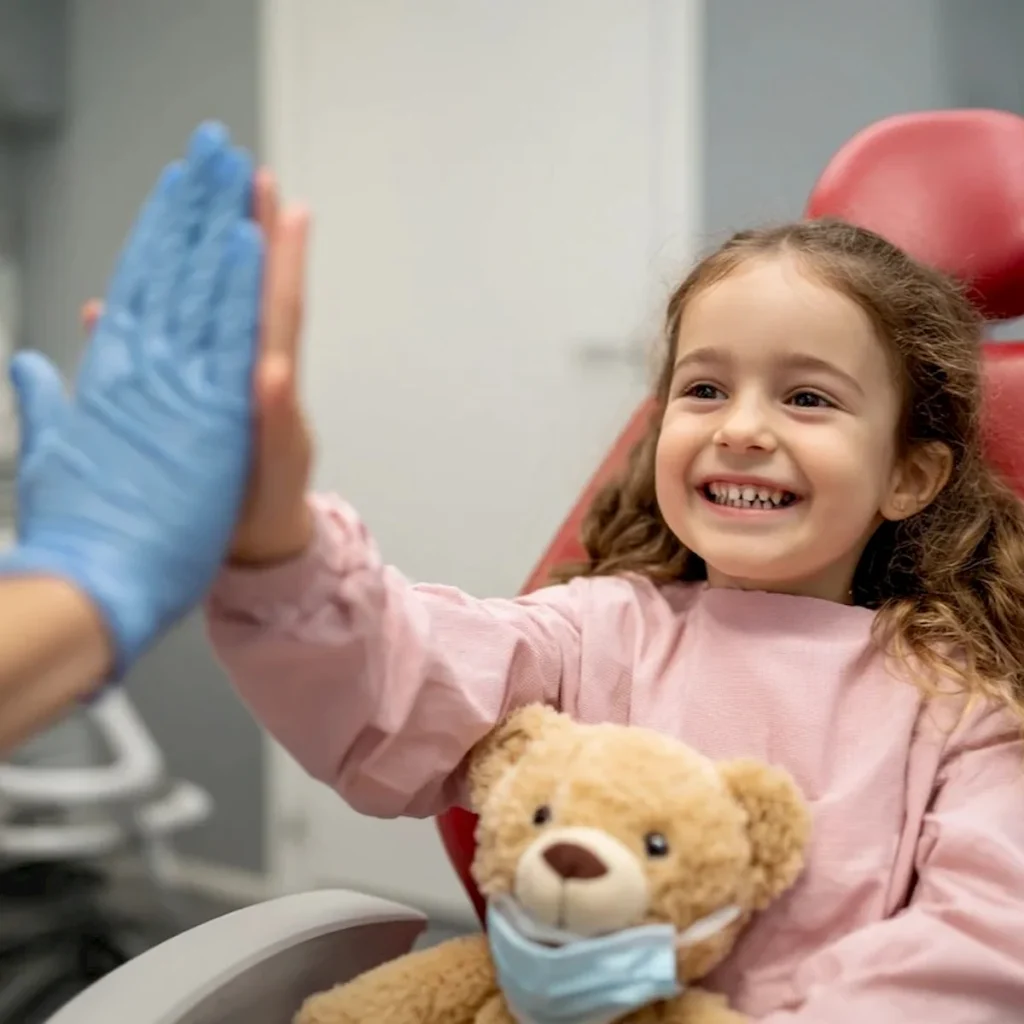


Where to Find Dental Care for Special Needs Patients in St. Louis
Finding the right dental provider for a patient with special needs can feel overwhelming for many families and caregivers. Traditional dental offices are not always equipped to support patients with developmental disabilities, sensory sensitivities, severe anxiety, mobility challenges, or complex medical conditions. As a result, even routine dental visits may become stressful or difficult to complete.
Fortunately, families in the St. Louis area have options. Specialized dental practices that focus on sedation dentistry, dental anesthesia, and special needs care can help patients receive treatment in a safer, calmer, and more supportive environment. The key is finding a provider who understands that every patient has unique physical, emotional, and behavioral needs.
Why Special Needs Patients Often Require a Different Approach
Special needs dentistry is not simply about completing dental treatment. It involves adapting the entire experience to help patients feel more comfortable, respected, and safe throughout the process.
Patients with autism spectrum disorder, developmental disabilities, dementia, cerebral palsy, Down syndrome, traumatic dental anxiety, neurological conditions, or other healthcare challenges may have difficulty tolerating traditional dental visits. Bright lights, unfamiliar sounds, physical touch, and changes in routine can quickly become overwhelming.
Some patients may struggle with communication or sensory processing, while others may have medical conditions that require additional precautions during treatment. In certain cases, patients are physically unable to remain still long enough to complete procedures safely.
What to Look for in a Special Needs Dental Provider
Not every dental office has experience treating patients with complex behavioral or medical needs. Families searching for care in St. Louis should look for providers who offer a compassionate, patient-centered approach and understand how to adapt treatment to the individual. Important qualities to look for may include:
- Experience treating patients with disabilities or medical complexities
- Sedation dentistry or dental anesthesia services
- Longer or flexible appointment scheduling
- Caregiver collaboration during treatment planning
- A calm and supportive office environment
- Coordination with physicians or specialists when necessary
Equally important is communication. Families should feel comfortable discussing concerns, triggers, behavioral challenges, or previous negative experiences without fear of judgment.
Sedation Dentistry for Special Needs Patients
For some patients, accommodations and behavioral strategies are enough to complete treatment successfully. Others may require sedation or anesthesia to receive dental care safely and comfortably.
Sedation dentistry helps reduce anxiety, movement, and sensory overload during treatment. Depending on the patient’s needs, providers may recommend nitrous oxide, oral sedation, IV sedation, or general anesthesia. General anesthesia is often considered for patients who:
- Cannot safely cooperate during treatment
- Experience severe sensory sensitivities
- Have significant cognitive impairments
- Require extensive dental procedures
- Have traumatic reactions to dental care
For many families, completing treatment under anesthesia can reduce emotional distress and prevent repeated unsuccessful appointments.
The Importance of Experience and Safety
Patients with special needs frequently require additional medical and behavioral considerations during dental treatment. This is why experience matters when choosing a provider. Dental teams familiar with special needs care understand how to:
- Adapt communication styles
- Reduce environmental stressors
- Manage behavioral challenges compassionately
- Coordinate care with caregivers and physicians
- Monitor medically complex patients appropriately
Safety protocols and individualized treatment planning become especially important when sedation or anesthesia is involved. Families should never feel pressured into rushed decisions. A thorough consultation and evaluation help ensure the treatment plan is appropriate for the patient’s unique needs and health history.
Building Trust Over Time
For many patients with special needs, trust is an essential part of successful dental care. Positive experiences, predictable routines, and compassionate interactions can help reduce fear over time. Some patients may gradually become more comfortable with routine preventive care, while others may continue to require sedation support for treatment. Both situations are completely valid.
The goal is not to force patients into a traditional dental experience. The goal is to create an approach that protects oral health while respecting the patient’s emotional and physical comfort. Caregivers also deserve support throughout the process. Finding the right provider often brings significant relief to families who have struggled to access appropriate dental care in the past.

Contact The Dental Anesthesia Center
At The Dental Anesthesia Center, we understand that patients with special needs often require a more personalized, compassionate approach to dental care. Our team works closely with patients, families, and caregivers to help create a calm, supportive environment tailored to each individual’s needs.
We provide specialized care for patients with developmental disabilities, autism, severe dental anxiety, dementia, sensory sensitivities, and medically complex conditions. Sedation and anesthesia options are available to help patients receive treatment as safely and comfortably as possible.
Frequently Asked Questions
Special needs dentistry focuses on caring for patients with physical, developmental, behavioral, cognitive, or medical conditions that require modifications to traditional dental treatment.
Yes. Many patients with autism benefit from sedation options that help reduce sensory overload, anxiety, and movement during treatment.
General anesthesia can often be performed safely when managed by experienced providers who carefully review the patient’s medical history and individual needs.
This is common among patients with special needs. Specialized dental providers may recommend behavioral accommodations, sedation, or anesthesia to help treatment be completed safely and comfortably.