
Learn when general anesthesia is necessary for dental care, how it works, and why The Dental Anesthesia Center makes it safe for patients.
When most people think about dental procedures, they envision local anesthesia—the numbing injections that allow routine treatments to proceed comfortably. However, at The Dental Anesthesia Center in St. Louis, we recognize that some patients require a different approach. General anesthesia—a controlled state of unconsciousness—represents the deepest form of sedation available in dentistry, offering solutions for patients whose needs cannot be met through traditional methods.


Understanding General Anesthesia in the Dental Context
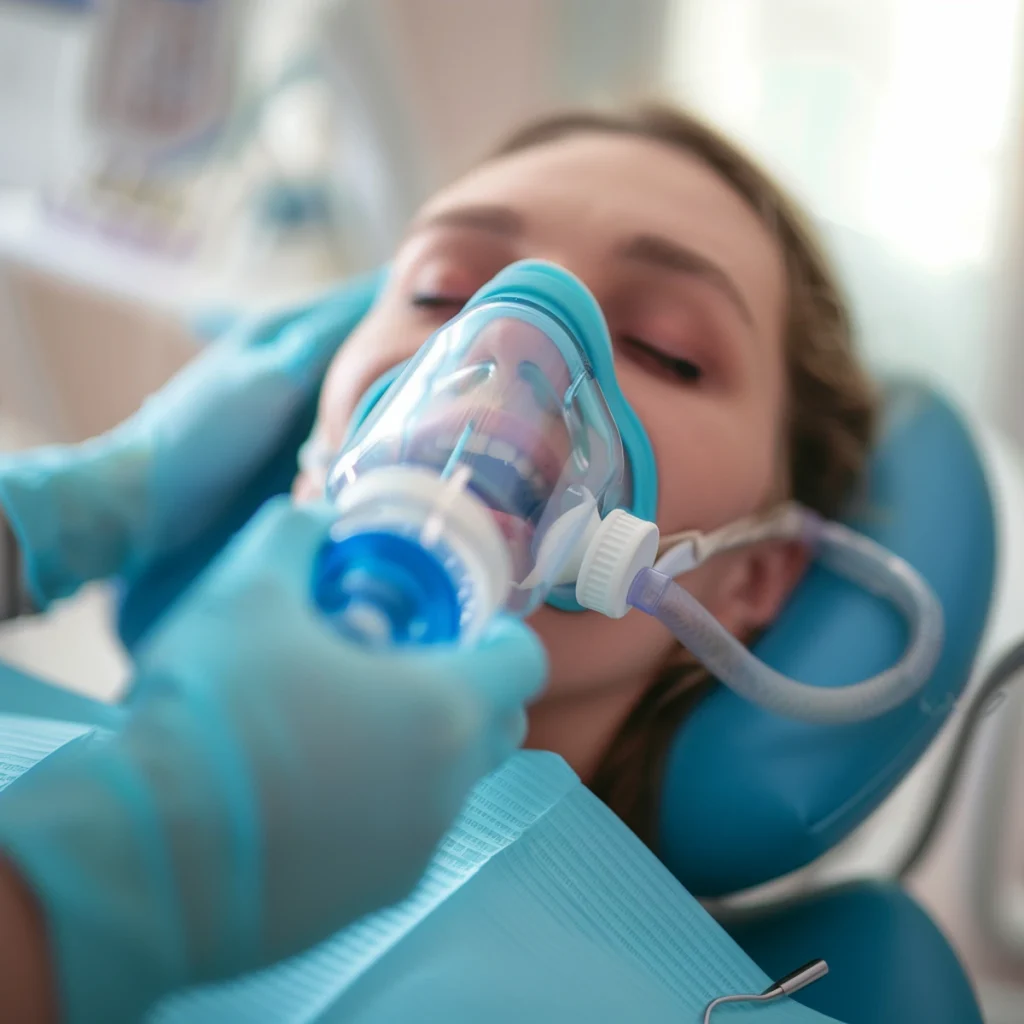
General anesthesia in dentistry involves the same fundamental principles used in hospital operating rooms but adapted specifically for oral health procedures. Unlike lighter forms of sedation, where patients remain somewhat conscious, general anesthesia induces a complete loss of consciousness. The patient is entirely unaware of the procedure, feels no pain, and has no memory of the treatment afterward.
When Is General Anesthesia Necessary for Dental Treatment?
While most dental procedures can be performed under local anesthesia or lighter forms of sedation, general anesthesia becomes necessary in specific circumstances:
1. For Patients with Special Needs
Many individuals with developmental disabilities, severe autism spectrum disorders, or certain neurological conditions may be unable to cooperate with dental treatment while conscious, even with other forms of sedation. General anesthesia allows these patients to receive comprehensive dental care without experiencing stress or anxiety.
2. For Patients with Extreme Dental Phobia
Despite advances in pain management and anxiety reduction techniques, some individuals experience dental phobia so severe that even the thought of dental treatment triggers intense panic attacks. When this fear prevents necessary dental care, and other sedation methods have proven inadequate, general anesthesia may be the only viable option.
3. For Complex or Lengthy Procedures
Certain dental surgeries or reconstructive procedures require extended time in the dental chair, precise control of patient positioning, or absolute immobility. General anesthesia provides optimal conditions for these complex cases:
- Full-mouth reconstructions
- Complex wisdom tooth extractions
- Extensive oral surgeries
- Multiple implant placements
- Treatments for facial trauma
- Comprehensive pediatric cases
5. For Young Children Requiring Extensive Treatment
While children generally adapt well to dental environments with appropriate behavioral management techniques, those requiring extensive treatment may benefit from general anesthesia. This approach allows the completion of all necessary procedures in a single visit, preventing the development of dental anxiety from repeated difficult experiences.
6. For Patients with Certain Medical Conditions
Individuals with specific medical challenges may require general anesthesia for dental treatment, including:
- Uncontrolled movement disorders that prevent safe treatment while conscious
- Severe gag reflexes that make conventional treatment impossible
- Allergies to local anesthetics
- Specific cardiovascular conditions where stress reduction is critical
The Dental Anesthesia Center Difference: Who Administers General Anesthesia?
Administering general anesthesia requires specialized training beyond standard dental education. At The Dental Anesthesia Center, general anesthesia is provided by professionals with extensive qualifications and experience:
- Dental Anesthesiologists: Dentists with advanced postdoctoral training specifically in anesthesiology
- Medical Anesthesiologists: Physicians specializing in anesthesia who collaborate with our dental team
- Certified Registered Nurse Anesthetists (CRNAs): Advanced practice nurses with specialized anesthesia training (working under physician supervision)
Safety Considerations and Risk Management
General anesthesia in dentistry carries many of the same considerations as anesthesia in any medical context. At The Dental Anesthesia Center, we implement multiple safety protocols:
1. State-of-the-Art Monitoring
Our facility is equipped with the same advanced monitoring technology found in hospital operating rooms, providing continuous data on vital functions throughout the procedure.
2. Emergency Preparedness
Despite the extremely low incidence of emergencies, our team:
- Maintains full emergency equipment and medications
- Conducts regular emergency response drills
- Follows standardized protocols for managing potential complications
3. Individualized Risk Assessment
We recognize that anesthesia risks vary based on individual factors. Our pre-procedure assessment carefully weighs:
- The patient’s medical status
- Age-related considerations
- The complexity of the planned dental procedure
- Previous anesthesia experiences
- The necessity of the treatment
4. Continuous Quality Improvement
Our anesthesia team regularly reviews outcomes and protocols, implementing best practices from the latest research in dental anesthesiology.

Benefits Beyond Comfort: The Advantages of General Anesthesia
While the primary purpose of general anesthesia is to enable dental treatment for those who couldn’t otherwise receive it, this approach offers several additional benefits:
1. Efficiency and Thoroughness
With the patient unconscious, the dental team can:
- Work more efficiently without concerns about patient comfort or movement
- Access all areas of the mouth without triggering gag reflexes
- Perform multiple procedures in a single session
- Take unlimited time for complex work without patient fatigue
3. Psychological Benefits
For patients with dental phobia:
- No traumatic memories are formed during treatment
- The negative association between dental care and anxiety can be broken
- Future dental visits may become possible with less intensive sedation
4. Medical Stability
For patients with certain health conditions:
- Stress responses that could trigger medical events are prevented
- Vital signs remain stable throughout treatment
- Precise control of blood pressure reduces risks for vulnerable patients
Myths and Misconceptions About General Anesthesia in Dentistry
Despite its established safety record, general anesthesia is sometimes misunderstood. Let’s address common concerns:
Reality: When administered by qualified professionals with appropriate monitoring, general anesthesia carries a very low risk profile. At The Dental Anesthesia Center, our specialized team and comprehensive protocols ensure the highest safety standards.
Reality: Modern anesthesia medications are precisely controllable, allowing the anesthesia provider to reverse their effects reliably. The risk of serious complications from anesthesia in healthy individuals is exceedingly rare—comparable to the risk of driving to the dental office.
Reality: Contemporary anesthesia techniques have been thoroughly studied and show no evidence of causing brain damage when properly administered. Continuous monitoring during the procedure ensures optimal oxygen levels and brain circulation.
Reality: While patients should plan for a full day of recovery, most individuals feel substantially normal by the following day. Some residual grogginess may persist for 24 to 48 hours, but severe or prolonged effects are rare.
Is General Anesthesia Right for Your Dental Needs?
While general anesthesia offers remarkable benefits in certain situations, it isn’t the right choice for everyone. Considerations include:
When General Anesthesia May Be Appropriate:
- You have special needs that prevent cooperation with dental treatment
- You experience severe, debilitating dental anxiety that has prevented necessary care
- You require complex procedures that would be difficult to tolerate while conscious
- You have medical conditions that make treatment under general anesthesia safer
- You have had unsuccessful attempts at therapy with other sedation methods
When Other Options May Be Preferable:
- Your dental needs can be comfortably addressed with local anesthesia
- Your anxiety responds well to nitrous oxide or oral sedation
- You have certain medical conditions that increase anesthesia risks
- You prefer to remain conscious during dental treatment
- Your dental needs are relatively simple or routine
Expanding Possibilities Through Advanced Anesthesia
General anesthesia represents a powerful tool that has transformed dental possibilities for patients with complex needs. At The Dental Anesthesia Center in St. Louis, we’re proud to offer this specialized service in a setting dedicated to exceptional care and safety.
For individuals with special needs, severe dental phobia, or requirements for complex treatment, general anesthesia can mean the difference between ongoing suffering and restored dental health. Our experienced team is committed to making comprehensive dental care accessible to everyone, regardless of the challenges they face.

Contact The Dental Anesthesia Center Today
Suppose you’ve been avoiding necessary dental treatment due to anxiety, special needs considerations, or concerns about complex procedures. In that case, we invite you to explore whether treatment under general anesthesia might be appropriate for your situation. Contact The Dental Anesthesia Center at (314) 862-7844 to schedule a consultation with our specialized team.