
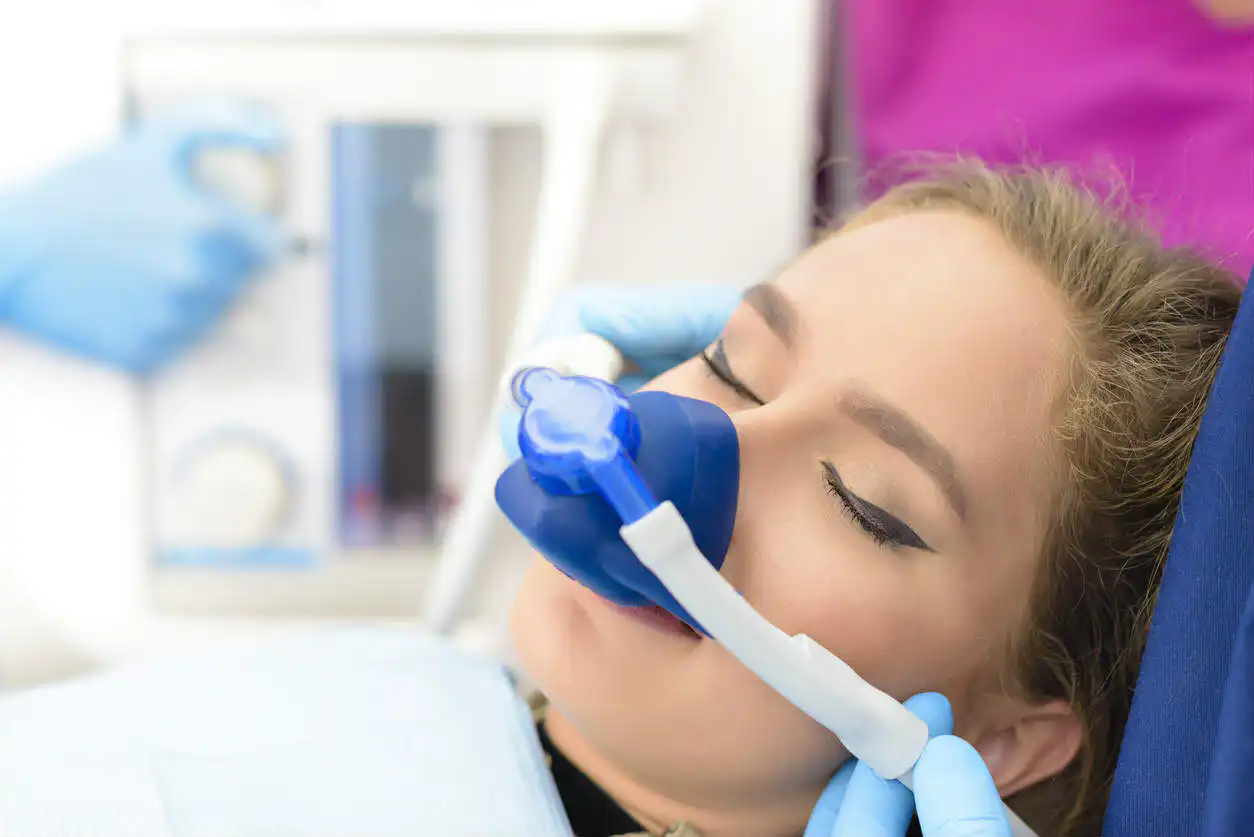
If you suffer from dental anxiety you may want to consider dental sedation to make your treatment easier and stress-free.
Many people are aware of the fact that dental anxiety affects roughly half of the population. What they don’t know is the specific factors that cause this condition. We hope to close this knowledge gap by explaining the most common root causes of dental anxiety.


Traumatic Dental or Healthcare Experiences
One of the most common root causes of dental anxiety is past medical care experiences. These can come in two forms. The first is one that is specific to dentistry. An example might be somebody that suffered a painful surgery at a young age or had a dentist make a traumatic mistake at some point. The second form is general medical care. This type of trauma is characterized by a person who had a negative experience with some sort of doctor and now feels anxiety in all healthcare settings, including the dentist office.
Trauma to the Head or Neck
Those that experience significant trauma to the head or neck often become sensitive about any treatment that comes above the shoulders. The result is that when a dentist enters those areas with sharp tools, the patient has an involuntary fight or flight response. Though the dentist is safe and has good intentions, that person’s body will tell them to run away because it does not want to get hurt again.
General Anxiety, PTSD, and Other Mental Health Condition
Unlike the previous two causes, this one is not based on experience. Instead, it is a more general category for people with mental health conditions. One of the most prominent of those problems is general anxiety, which affects people throughout their lives. They tend to experience discomfort, a rising heart rate, heavy breathing, and many more symptoms in a variety of situations. One of them is often going to the dentist. For PTSD, people that have suffered traumatic events are often extremely sensitive to noises and touching, both of which are prevalent at the dentist.
Personal Space Sensitivity
Whether somebody is diagnosed as claustrophobic or is simply uncomfortable with being touched, they will have personal space issues at the dentist. The reason is that oral care requires hands-on treatment, such as putting hands in your mouth, from a medical professional. These kinds of activities will make a person with personal space sensitivity extremely uncomfortable.
Trust Issues
A common theme among children and victims of abuse is not trusting people. This effect is especially relevant in a dental office, where professionals use sharp tools to clean your teeth. If you have trust issues, you might think that the dentist is trying to hurt you, or at least is not competent enough to keep you safe.
Now that you know what the most common root causes of dental anxiety are, you might be able to make peace with your issues. Sometimes all it takes to get over that hump is understanding your feelings. Still, this knowledge might not help your anxiety enough. In this case, you may want to consider dental sedation to make your treatment easier and stress-free. To learn more about the benefits of dental sedation or to schedule an appointment, give us a call at (314) 862-7844.