
Dental anesthesia may help patients with severe anxiety, special needs, medical conditions, or difficulty tolerating treatment receive dental care more safely.
For some patients, dental care cannot be completed comfortably or safely through traditional treatment alone. Severe dental anxiety, developmental disabilities, dementia, sensory sensitivities, complex medical conditions, and difficulty remaining still during procedures can all make routine dental visits extremely challenging.


Who Is a Candidate for Dental Anesthesia?
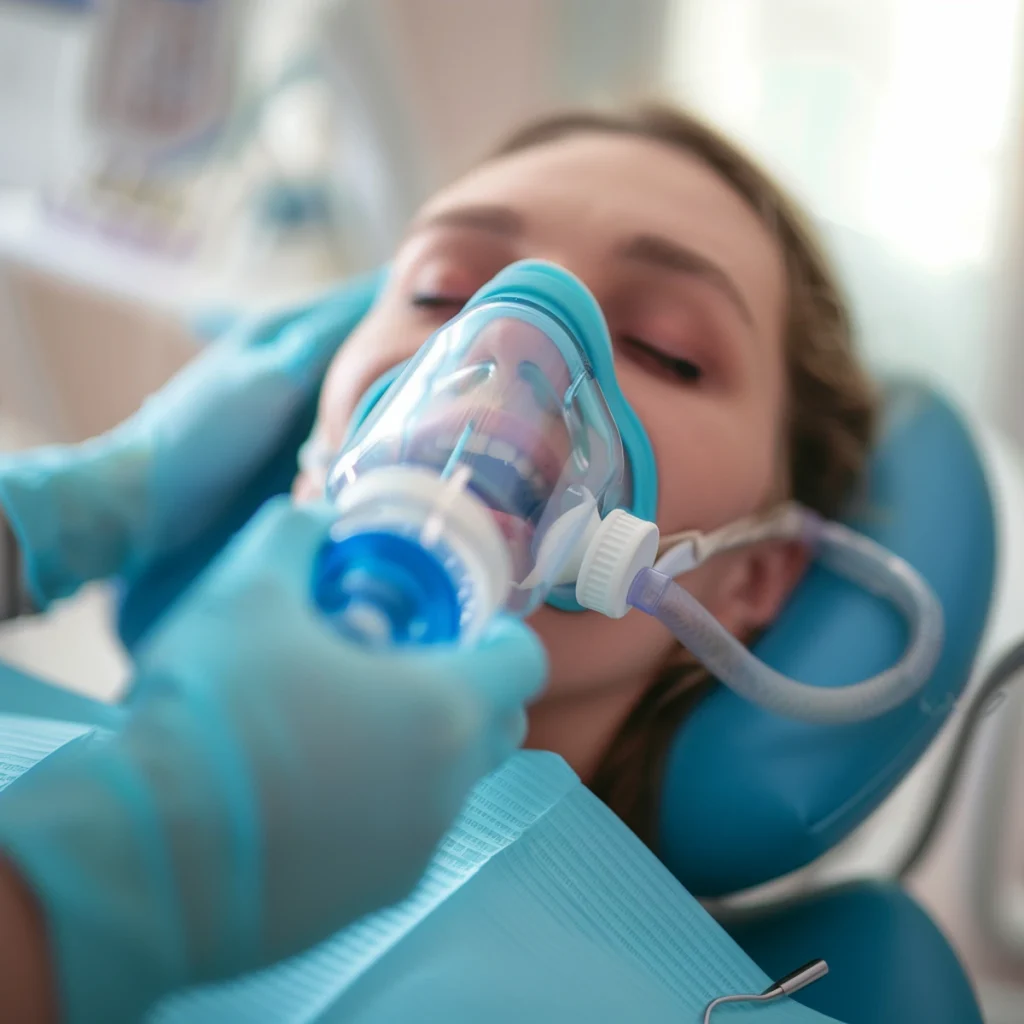
For many people, visiting the dentist can feel stressful or uncomfortable. But for some patients, routine dental treatment becomes nearly impossible without additional support. Severe dental anxiety, medical conditions, developmental disabilities, sensory sensitivities, or difficulty remaining still during procedures can all interfere with safe and successful treatment. In these situations, dental anesthesia may provide a more comfortable and compassionate solution.
Dental anesthesia allows patients to receive necessary dental care while minimizing fear, pain, movement, and emotional distress. While many people associate anesthesia only with major surgery, it is commonly used in dentistry to help patients who cannot tolerate treatment in a traditional setting. The right approach depends on the patient’s health history, anxiety level, behavioral needs, and the complexity of treatment being performed.
What Is Dental Anesthesia?
Dental anesthesia refers to medications used to help patients relax, reduce discomfort, or remain asleep during dental procedures. The level of anesthesia can range from mild sedation to full general anesthesia, depending on the patient’s needs.
Some patients only require mild relaxation to ease anxiety, while others may need deeper sedation to complete treatment safely. The goal is always to create a safer, calmer, and more manageable dental experience. Dental anesthesia is commonly used for both children and adults who struggle with traditional dental care for physical, emotional, behavioral, or medical reasons.
Patients With Special Needs or Developmental Disabilities
Patients with developmental disabilities or special healthcare needs are also common candidates for dental anesthesia. Conditions such as autism spectrum disorder, Down syndrome, cerebral palsy, and intellectual disabilities may affect communication, sensory processing, cooperation, or physical movement during treatment.
Traditional dental visits can become overwhelming when patients experience sensory sensitivities, behavioral challenges, or difficulty understanding instructions. In these situations, sedation or anesthesia may allow treatment to be completed more comfortably and safely. Every patient responds differently, which is why individualized planning is essential.
Patients With Severe Dental Anxiety
One of the most common reasons patients seek dental anesthesia is severe dental anxiety or dental phobia. For some individuals, fear of dental treatment goes far beyond nervousness. Past traumatic experiences, fear of pain, sensitivity to sounds or sensations, or panic reactions can make appointments extremely difficult. Patients with severe anxiety may:
- Avoid dental visits for years
- Experience panic attacks before appointments
- Struggle to sit through procedures
- Feel overwhelmed by routine treatment
Dental anesthesia can help reduce fear and allow patients to receive care they may have postponed for a long time. In many cases, sedation also helps prevent repeated cancellations and unsuccessful appointments caused by anxiety.
Patients With Dementia or Cognitive Impairment
Older adults with dementia, Alzheimer’s disease, or other cognitive impairments may struggle to tolerate dental care due to confusion, fear, agitation, or inability to follow instructions.
Some patients become distressed in unfamiliar environments, while others may resist treatment entirely. Dental anesthesia can sometimes help reduce trauma and allow important dental work to be completed without repeated stressful visits.
For medically complex elderly patients, careful evaluation and monitoring are especially important when considering sedation or anesthesia options.
Patients With Strong Gag Reflexes or Difficulty Sitting Still
Some individuals physically struggle to tolerate dental treatment even when anxiety is not the primary issue. A strong gag reflex, involuntary movements, muscle disorders, chronic pain conditions, or inability to remain still for long periods may interfere with treatment. Dental anesthesia can help create a more controlled environment, allowing procedures to be completed more efficiently and comfortably. This is particularly helpful for patients who require lengthy or complex dental work.
Patients Requiring Extensive Dental Treatment
Patients who need multiple procedures or extensive restorative treatment may also benefit from anesthesia-supported care. Completing several treatments during one appointment can reduce the need for repeated visits and minimize overall stress. This may include patients who need:
- Multiple extractions
- Extensive restorative work
- Full-mouth rehabilitation
- Surgical procedures
- Emergency treatment after years without dental care
For anxious patients, especially, combining procedures into fewer visits can make treatment feel far more manageable.
Contact The Dental Anesthesia Center
At The Dental Anesthesia Center, we understand that some patients require a more supportive and individualized approach to dental care. Our team provides compassionate treatment for patients with severe anxiety, developmental disabilities, medical complexities, sensory sensitivities, and other special healthcare needs.
We work closely with patients, families, and caregivers to help determine whether sedation or dental anesthesia may be appropriate for safer, more comfortable treatment.