
Having a tooth extracted can be a necessary but sometimes uncomfortable experience.
One of the most important aspects of recovery is maintaining proper nutrition while allowing your mouth to heal. Knowing what to eat after tooth extraction can be confusing at The Dental Anesthesia Center.
The Importance of Post-Extraction Diet
Your food choices in the days following a tooth extraction play a crucial role in your healing process. The proper diet can:
- Minimize discomfort and pain
- Reduce the risk of complications
- Promote faster healing
- Provide necessary nutrients for recovery


Recommended Foods for the First 24 Hours
In the immediate aftermath of tooth extraction, it’s best to stick to very soft or liquid foods. Here are some excellent options:
- Cold liquids: Water, smoothies, and cold soups can help reduce swelling and provide hydration.
- Yogurt: Yogurt is rich in protein and easy to eat, so yogurt is an excellent choice.
- Applesauce: Provides nutrients without requiring chewing.
- Lukewarm broth or soup: Offers hydration and nutrients, but ensure it’s not too hot.
- Ice cream or gelato: This can help soothe the extraction site, but avoid flavors with nuts or hard pieces.
Foods to Incorporate in the Following Days
As your mouth begins to heal after a tooth extraction, you can expand your diet beyond liquids and very soft foods. Begin with easily digestible, nutrient-rich options that require minimal chewing. Some excellent choices to start with include:
- Oatmeal
- Mashed potatoes
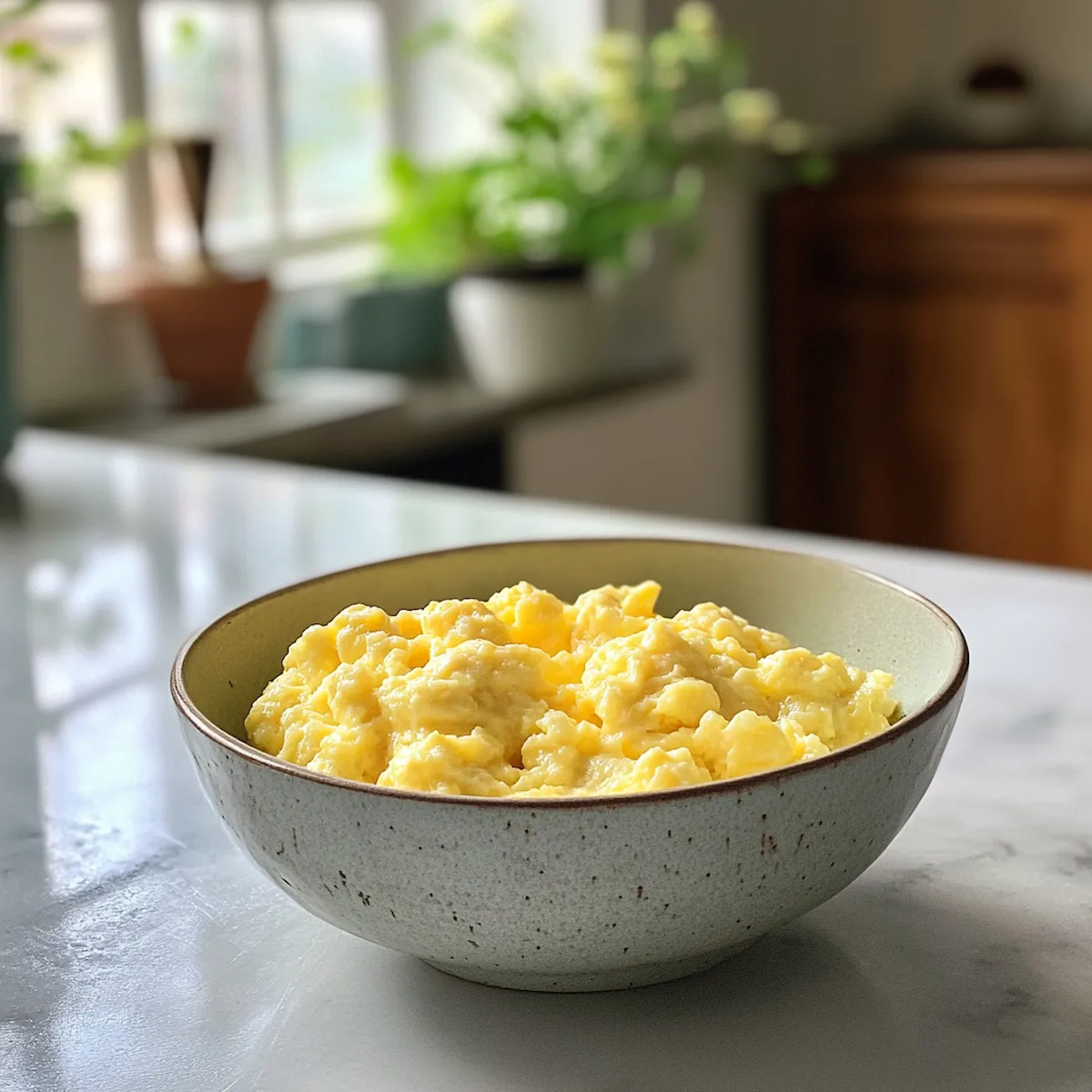
- Scrambled eggs
These foods provide energy, essential carbohydrates, and protein without straining your mouth. Oatmeal and mashed potatoes are exceptionally gentle on your healing gums, while scrambled eggs offer the protein your body needs for recovery.
As you heal, you can gradually introduce more variety into your diet. Soft fruits are a great next step. Consider adding:
- Bananas
- Ripe avocados
- Well-cooked fruits
These options are nutritious and easy to eat, providing essential vitamins and minerals to support your healing process.
Consider incorporating well-cooked vegetables into your diet for those craving more substantial meals. Steaming or boiling vegetables until they’re very soft makes them easy to consume without irritating the extraction site. You might feel ready to try some soft fish as your healing progresses. When cooked properly, options like salmon or tilapia can be a welcome addition to your post-extraction meals.
When introducing new foods, keep these tips in mind:
- Start with the softest options and gradually move to firmer textures
- Cut food into small, manageable pieces
- Chew slowly and carefully, avoiding the extraction site
- If you experience discomfort, return to softer foods
Remember, the key is to gradually listen to your body and introduce these foods. Everyone’s healing process is unique, so pay attention to how you feel as you expand your diet. If you experience discomfort, it’s best to return to softer foods and consult your dentist at The Dental Anesthesia Center for personalized advice.
Foods to Avoid
Certain foods can irritate the extraction site or potentially dislodge the blood clot, leading to a painful condition called dry socket. Avoid the following:
- Hard or crunchy foods: Chips, popcorn, nuts, and raw vegetables should be avoided.
- Spicy foods: These can irritate the extraction site.
- Acidic foods: Citrus fruits and tomatoes can cause discomfort.
- Sticky foods: Avoid candies or gummy foods that might stick to your teeth.
- Hot beverages: Very hot drinks can dissolve blood clots.
- Alcohol: Avoid alcoholic beverages, as they can interfere with healing and any medications you may be taking.
General Tips for Eating After Tooth Extraction
- Start with cold foods: Cold foods can help reduce swelling in the first 24 hours.
- Chew away from the extraction site: When you start eating solid foods, Chew on the opposite side of your mouth.
- Take small bites: This reduces the pressure on your jaw and the extraction site.
- Stay hydrated: Drink plenty of water, but avoid using straws, as the suction can dislodge blood clots.
- Gradually increase food consistency: Slowly introduce more solid foods into your diet as you heal.
When to Return to Normal Diet
Most patients can return to their regular diet within a week of the extraction. However, everyone’s healing process is different. Always follow the specific instructions your dentist provides at The Dental Anesthesia Center.
Remember, proper nutrition is crucial for healing, but it’s equally important to listen to your body and not rush the process. If you experience prolonged pain, bleeding, or any signs of infection, contact our office immediately.
Contact Us Today
Following these dietary guidelines can ensure a smoother recovery after your tooth extraction. We’re committed to your comfort and quick healing at The Dental Anesthesia Center. If you have any questions about your post-extraction care, don’t hesitate to contact our team.