Working with experienced dental professionals and caregivers can help ensure a positive and stress-free dental care experience.
Dental care can be a challenge for individuals with autism due to sensory sensitivities, communication barriers, and difficulty adjusting to new routines. However, proper oral hygiene prevents cavities, gum disease, and other dental issues. With the right strategies, caregivers and dental professionals can make dental care more manageable and comfortable for individuals with autism.
Contact The Dental Anesthesia Center today to schedule your first appointment.


Understanding the Challenges
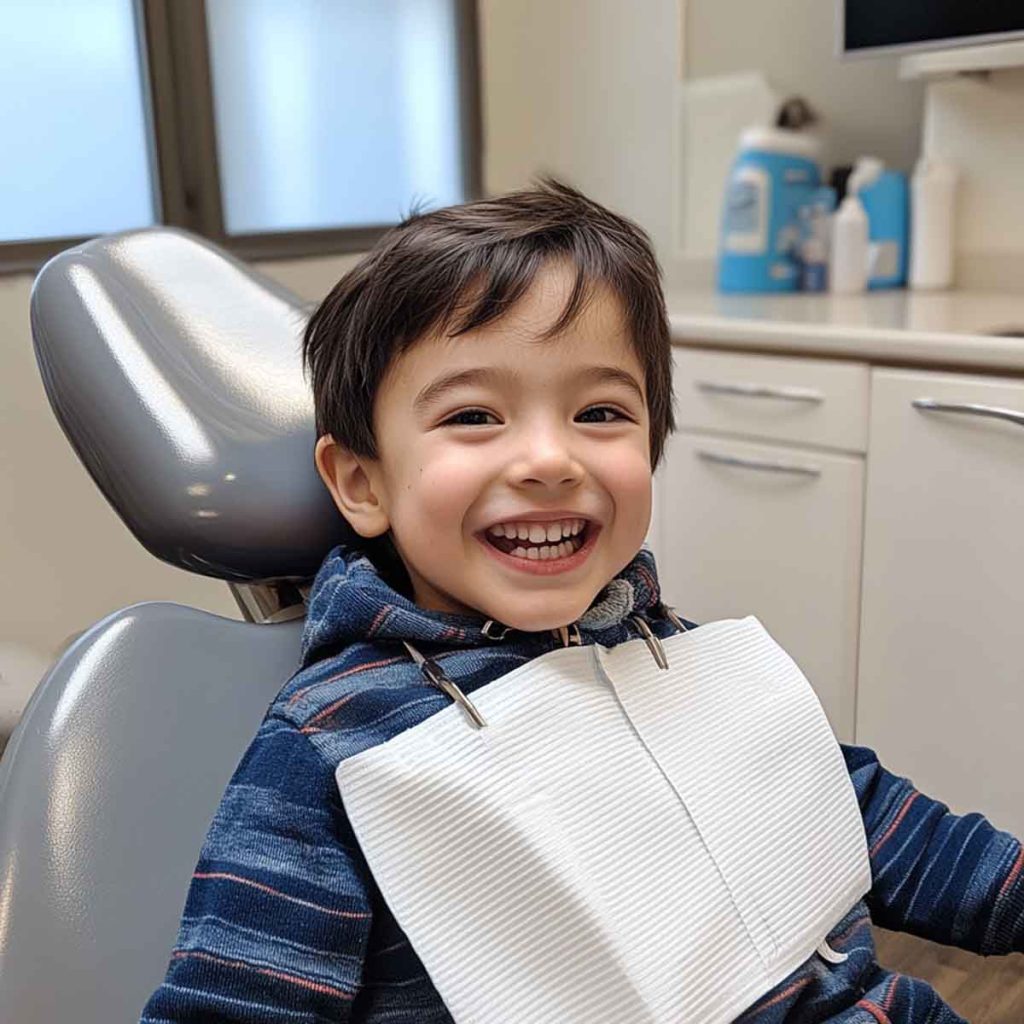
Autistic individuals often experience sensory processing differences, overwhelming brushing, flossing, and dental visits. Common challenges include:
- Sensitivity to textures and tastes (toothpaste, toothbrush bristles)
- Aversion to strong scents in dental offices
- Fear of new or unexpected experiences
- Difficulty with communication, making it hard to express pain or discomfort
- Inconsistent routines leading to irregular brushing and flossing habits
Create a Structured and Predictable Routine
Children and adults with autism often thrive on routines. Establishing a structured dental care routine can make oral hygiene easier and less stressful.
- Use visual schedules or social stories to explain each step of brushing and flossing.
- Maintain consistency by brushing and flossing at the same time every day.
- Introducing dental care gradually allows the individual to explore toothbrushes and toothpaste before using them.
Choose the Right Dental Products
Sensory-friendly dental products can significantly improve comfort and compliance.
- Soft-bristled or silicone toothbrushes can be gentler on sensitive gums.
- Unflavored or mild-flavored toothpaste (e.g., brands like Tom’s of Maine or Hello) can help those who dislike intense mint flavors.
- Electric toothbrushes with gentle vibrations can make brushing easier if tolerated.
- Floss holders or water flossers can be an alternative for those who struggle with traditional flossing.
Make Brushing a Positive Experience
To encourage cooperation, associate brushing with enjoyable activities.
- Use rewards and reinforcement, such as stickers, a favorite song, or a small prize.
- Sing a song or use a timer to create a predictable brushing duration.
- Let the individual have control by allowing them to choose their toothbrush color or toothpaste flavor.
Desensitize Sensory Sensitivities
Gradually exposing an autistic individual to dental care can help reduce sensitivities.
- Allow them to touch and explore the toothbrush before using it.
- Practice dry brushing (without toothpaste) to get used to the sensation.
- Introduce toothpaste slowly by starting with a small amount and increasing it over time.
Prepare for Dental Visits
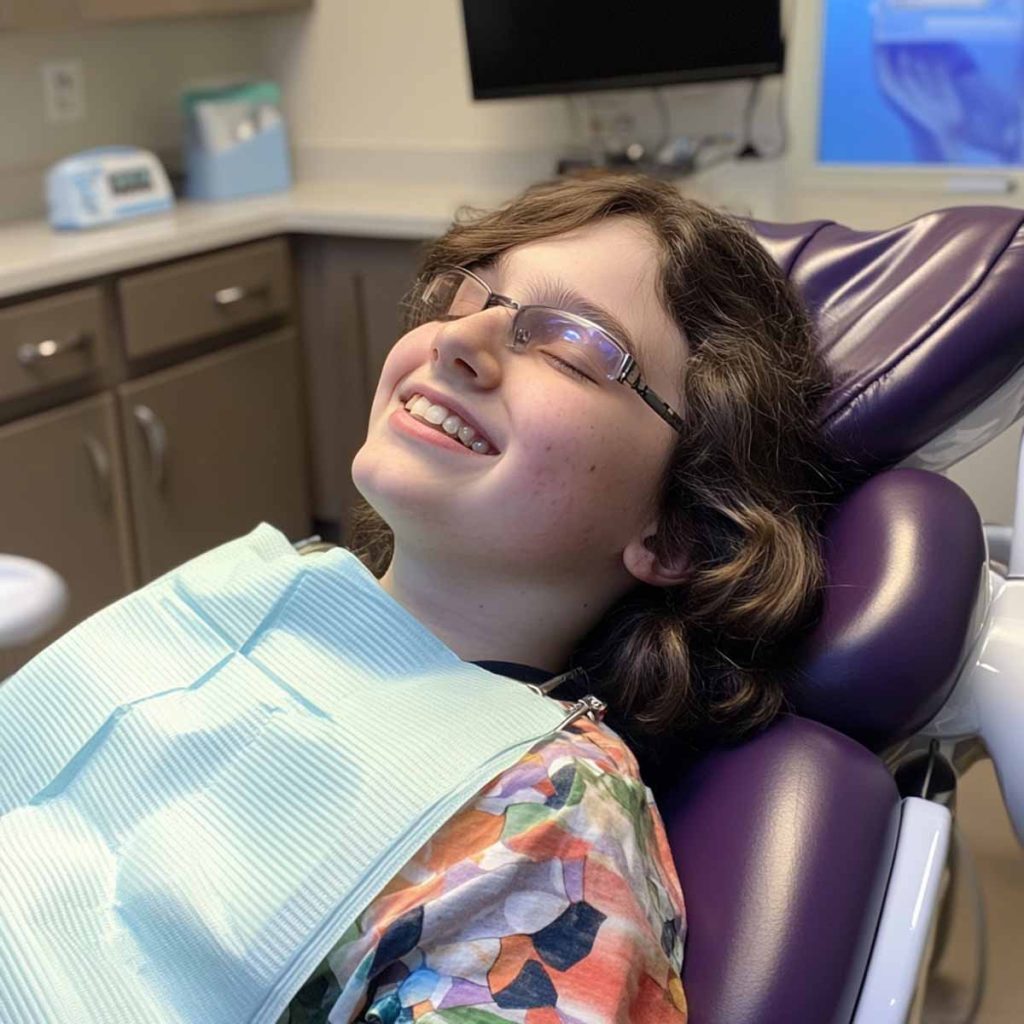
Dental visits can be stressful, but proper preparation can make them more manageable.
- Find a sensory-friendly or special-needs dentist who has experience with autistic patients.
- Schedule a pre-visit so the individual can become familiar with the environment.
- Use social stories or videos to explain what will happen at the appointment.
- Bring comfort items like noise-canceling headphones, sunglasses, or a favorite toy.
- Request accommodations, like a quiet waiting room or breaks during the appointment.
Use Communication Strategies
Since some individuals with autism may have limited verbal communication, alternative methods can help them express their needs and discomfort.
- Use visual cue cards to indicate pain, discomfort, or specific requests.
- Teach simple signs or gestures related to dental care.
- Encourage the use of AAC devices or apps if applicable.
Monitor Diet and Oral Habits
Diet and oral habits play a crucial role in preventing dental issues.
- Limit sugary and acidic foods to prevent cavities.
- Encourage hydration with water instead of sugary drinks.
- Be mindful of chewing habits, such as chewing on non-food objects, which can damage teeth.
Seek Professional Support
Working with professionals can significantly improve dental care for individuals with autism.
- Regular dental check-ups help prevent serious dental problems.
- Occupational therapists can assist with sensory integration and tolerance-building.
- Behavioral therapists can help develop positive associations with dental care.
Contact The Dental Anesthesia Center Today
Oral health is essential for everyone, including individuals with autism. By implementing structured routines, using sensory-friendly tools, and working with experienced dental professionals, caregivers can help ensure a positive and stress-free dental care experience. Early intervention and consistent care can prevent serious dental issues and improve overall well-being.
Contact The Dental Anesthesia Center today to schedule your first appointment.