
Swollen gums can signal serious dental issues. Learn the causes, symptoms, and when to seek treatment. Contact The Dental Anesthesia Center today to schedule.
Swollen gums—also known as gingival swelling—occur when the gum tissue becomes inflamed, enlarged, or tender. This condition can affect a small section of the gum line or the entire mouth, and while it may seem minor, swollen gums often signal an underlying oral health issue that needs prompt attention.
Call The Dental Anesthesia Center today at (314) 862-7844 or schedule an appointment online.
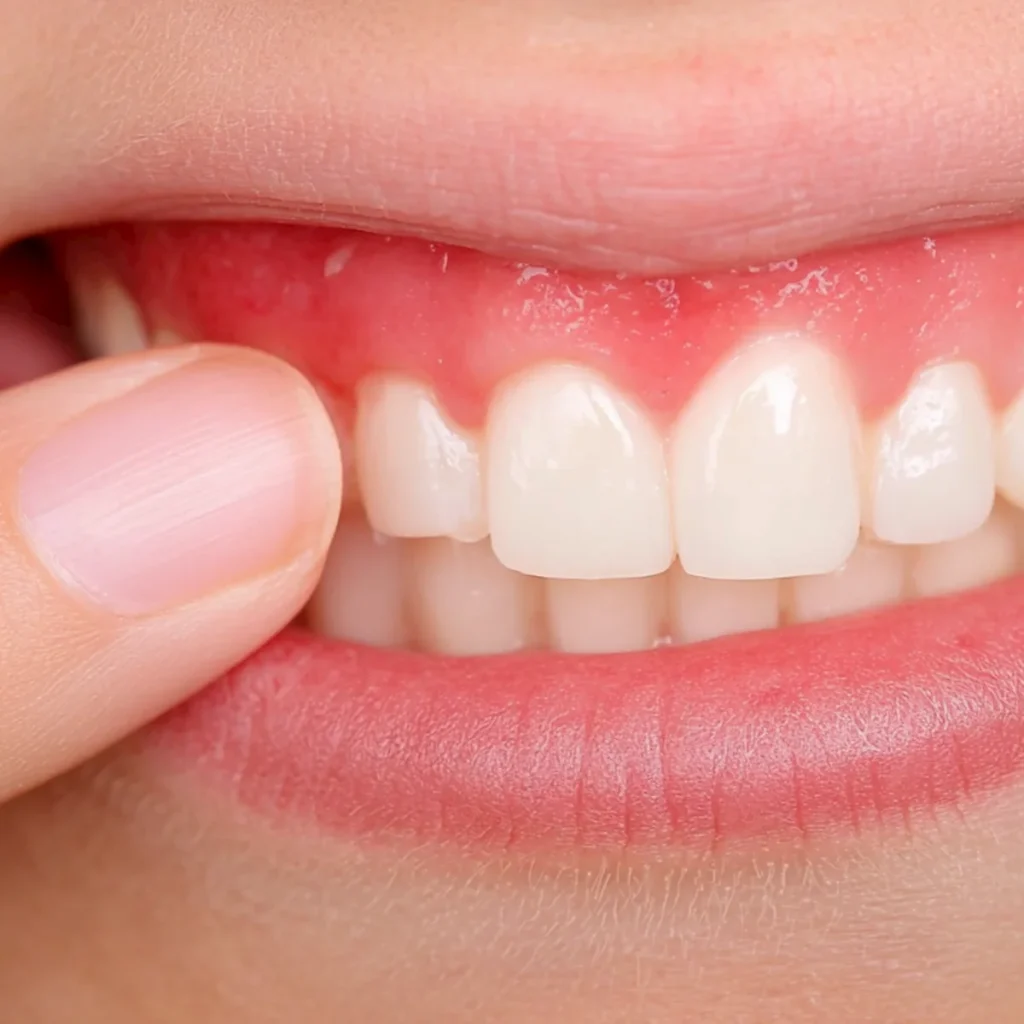


🤔 What Are Swollen Gums?
Swollen gums—also known as gingival swelling—occur when the gum tissue becomes inflamed, enlarged, or tender. This condition can affect a small section of the gum line or the entire mouth, and while it may seem minor, swollen gums often signal an underlying oral health issue that needs prompt attention.
At The Dental Anesthesia Center, we frequently see patients whose gum swelling is accompanied by discomfort, bleeding, or anxiety around treatment. Understanding the causes and warning signs can help you decide when it’s time to seek professional dental care, especially if you or a loved one has special needs, medical sensitivities, or dental anxiety.
🧪 Common Causes of Swollen Gums
Swollen gums can stem from a range of conditions, from mild irritants to serious infections. Here are the most common causes:
🪥 1. Poor Oral Hygiene
Plaque buildup is the #1 contributor to gum inflammation. When plaque isn’t removed through regular brushing and flossing, it hardens into tartar, which irritates the gums and leads to gingivitis, the earliest stage of gum disease.
🍬 2. Gum Disease (Periodontal Disease)
If gingivitis is left untreated, it can progress to periodontitis, a more severe form of gum disease. This condition can destroy gum tissue and bone, eventually leading to tooth loss. Swollen, bleeding gums are a hallmark symptom.
🦷 3. Tooth Abscess or Infection
An untreated cavity or cracked tooth can lead to a dental abscess, which causes pus to collect at the root. Swelling around a specific tooth and gum area is common and often painful.
🍕 4. Food Irritation
Hard, spicy, or crunchy foods can irritate the gums, especially if small pieces get lodged between teeth. Popcorn kernels, tortilla chips, or seeds are notorious culprits.
💊 5. Medications
Certain medications—like blood pressure drugs, immunosuppressants, and antiseizure medications—can cause gum overgrowth or swelling as a side effect.
🤰 6. Hormonal Changes
Pregnancy, puberty, and menopause can all increase blood flow to the gums, making them more sensitive and prone to swelling. “Pregnancy gingivitis” is prevalent in the second trimester.
🦠 7. Vitamin Deficiencies or Systemic Illness
A lack of vitamin C (scurvy) can lead to bleeding and swollen gums. Other systemic conditions, such as diabetes, immune disorders, or leukemia, may also manifest as gum inflammation.
🔍 Symptoms to Watch For
Other warning signs often accompany swollen gums. These include:
- 🔴 Redness or puffiness along the gum line
- 😬 Tenderness or pain when brushing or chewing
- 🩸 Bleeding when brushing or flossing
- 😷 Bad breath or an unpleasant taste
- 🦷 Loose or shifting teeth
- 🌡️ Fever or pus discharge (signs of infection)
If these symptoms persist for more than a few days—or worsen—it’s time to see a dentist.

⏱️ When to Seek Treatment
You should contact a dentist promptly if:
- Gum swelling lasts more than one week
- Pain or bleeding worsens despite home care
- You see pus, develop a fever, or experience facial swelling
- A tooth becomes loose, discolored, or sensitive
- You’re managing a chronic condition like diabetes or are undergoing chemotherapy
For patients with special needs, communication challenges, or complex health concerns, it’s crucial to catch gum issues early. Untreated infections can spread quickly and lead to serious complications, including systemic infection or tooth loss.
😌 How Sedation Dentistry Can Help
For many patients, fear of discomfort or previous traumatic dental experiences causes them to delay treatment, even when symptoms are severe. At The Dental Anesthesia Center, we specialize in sedation dentistry that makes care accessible, comfortable, and anxiety-free.
Whether it’s a deep cleaning for gingivitis or surgical treatment for an abscess, we offer options like:
This is especially helpful for patients with autism, developmental disabilities, or severe dental phobia. We create a safe, judgment-free space where healing can happen without fear or pain.
🏥 What to Expect During Your Visit
When you come in for swollen gums, we’ll begin with a thorough evaluation that may include:
- A full-mouth examination
- Digital X-rays to check for infection or bone loss
- A periodontal assessment to measure gum pockets
- Review of medications and medical history
Based on the cause, treatment may include a professional cleaning, antibiotics, root planing, or tooth extraction, all with sedation options as needed.
🦷 Don’t Ignore the Signs—Healthy Gums Matter!
Your gums are the foundation of your smile and your overall health. Swollen gums aren’t just a cosmetic issue; they’re often a warning sign of something deeper. Whether you’re managing chronic conditions, caring for someone with special needs, or struggling with dental anxiety, you deserve compassionate care that meets your unique needs.
📞 Call The Dental Anesthesia Center today at (314) 862-7844 or schedule an appointment online. Let us help you get back to a healthy, pain-free smile—safely and comfortably. 💙