
Are you considering sedation dentistry but uncertain about its safety? You’re not alone. Schedule an appointment with us today.
Are you considering sedation dentistry but uncertain about its safety? You’re not alone. Many patients have questions about dental sedation, and today, we will explore precisely how safe these procedures are, backed by research and decades of clinical experience.
If you have questions about dental sedation or would like to schedule a consultation, we’re here to help. Our experienced team can discuss your needs and help determine the best sedation options.
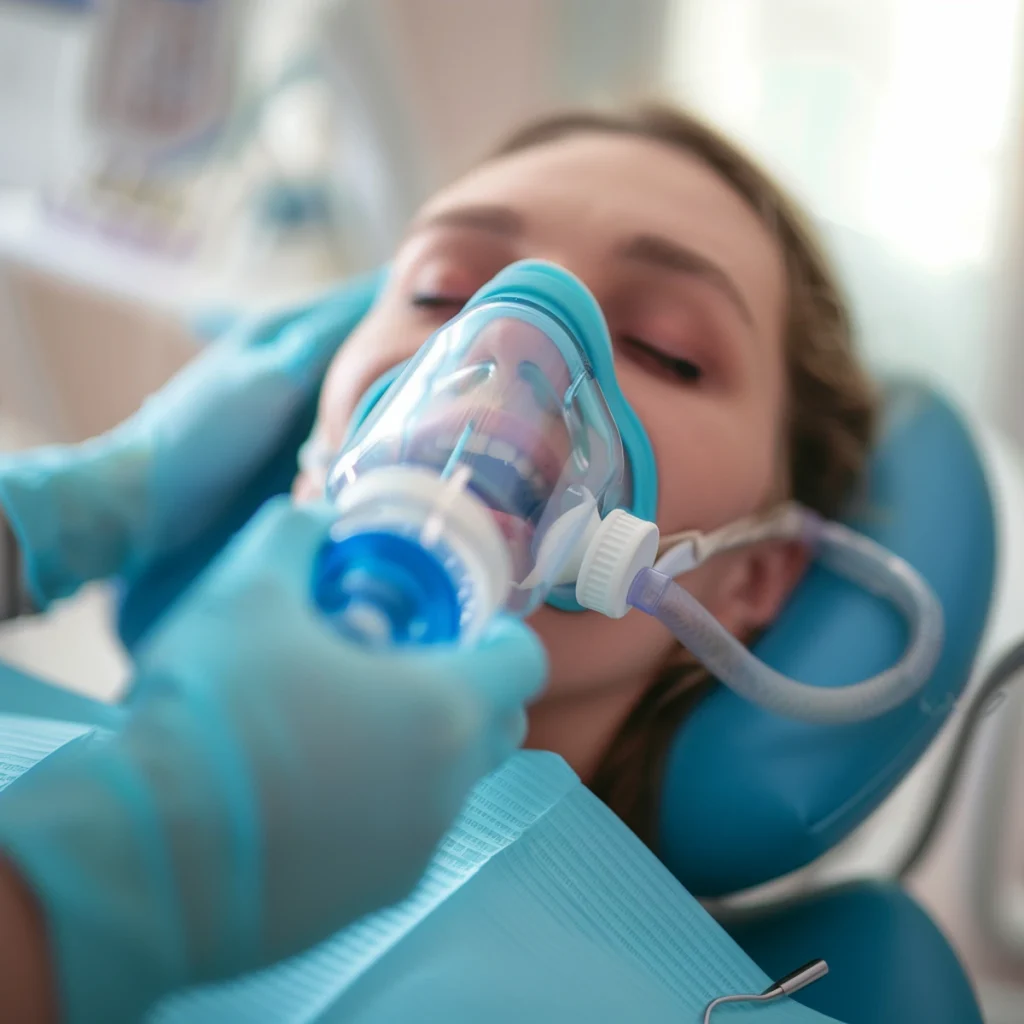


What is Dental Sedation?
Before diving into safety specifics, let’s understand what dental sedation involves. Dental sedation refers to using medication to help patients relax during dental procedures. It exists on a spectrum, from mild relaxation to complete unconsciousness, with several options in between.
Types of Dental Sedation and Their Safety Profiles
Nitrous Oxide (Laughing Gas)
- Safety Level: Extremely high
- Key Facts:
- It has been used in dentistry for over 150 years
- Effects wear off within minutes
- The patient remains conscious and can respond to instructions
- One of the safest forms of sedation available
Oral Sedation
- Safety Level: Very high
- Key Facts:
- Typically involves taking a prescribed pill
- Effects last several hours
- Patient remains conscious but very relaxed
- Requires someone to drive you home
IV Sedation
- Safety Level: High (when administered by qualified professionals)
- Key Facts:
- Administered and monitored by specially trained professionals
- Allows for precise control of sedation levels
- Requires continuous monitoring of vital signs
- Higher level of training is necessary for providers
General Anesthesia
- Safety Level: High (in appropriate medical settings)
- Key Facts:
- Most complex form of sedation
- Only used when necessary
- Requires specialized training and equipment
- Always performed with complete monitoring
The Statistics Behind Sedation Safety
Let’s look at the numbers. According to various studies:
- The mortality rate for dental sedation is extremely low: approximately 1 in 350,000
- Serious complications are rare: less than 0.1% of cases
- Most adverse events are minor and quickly reversible
- Risk factors are carefully screened before any sedation is administered
What Makes Dental Sedation Safe?
Several factors contribute to the safety of dental sedation:
- Thorough Medical Screening
- Detailed medical history review
- Current medication assessment
- Evaluation of any risk factors
- Continuous Monitoring
- Heart rate
- Blood pressure
- Oxygen levels
- Breathing rate
- Professional Training
- Extensive education requirements
- Regular certification updates
- Emergency response training
- Safety Protocols
- Pre-procedure guidelines
- During-procedure monitoring
- Post-procedure care instructions
Who Can Safely Receive Dental Sedation?
While most people can safely receive some form of dental sedation, certain factors require careful consideration:
- Pregnancy
- Sleep apnea
- Age (very young or elderly)
- Medical conditions
- Current medications
- Previous reactions to sedation
- Obesity
Preparing for Safe Sedation
To ensure the safest possible experience:
- Before the Procedure:
- Provide complete medical history
- Follow all pre-procedure instructions
- Arrange transportation
- Fast as directed
- Wear comfortable clothing
- After the Procedure:
- Have someone stay with you
- Follow recovery instructions
- Don’t drive or operate machinery
- Report any unusual symptoms
Special Considerations
Children and Sedation
Special protocols exist for pediatric sedation, including:
- Age-appropriate dosing
- Specialized monitoring equipment
- Additional safety measures
- Parental involvement in the process


Elderly Patients
Considerations for older adults include:
- Medication interactions
- Underlying health conditions
- Recovery time variations
- Modified dosing when necessary
Making an Informed Decision
Consider these factors when deciding about dental sedation:
- Your anxiety level
- The complexity of the procedure
- Your medical history
- Your previous experiences with sedation
- Your dentist’s qualifications
The Bottom Line
Dental sedation, when administered by qualified professionals following proper protocols, is remarkably safe. The key is working with experienced providers who:
- Take detailed medical histories
- Use appropriate monitoring
- Follow all safety protocols
- Have the necessary training and certification
Remember, millions of patients safely undergo dental sedation each year, making it a reliable option for those who need it.
Frequently Asked Questions
Yes, dental sedation is generally safe when administered by trained professionals following proper protocols. Patients are monitored throughout the procedure to ensure safety.
Common sedation options include nitrous oxide (laughing gas), oral sedation (a prescribed pill), IV sedation (administered through a vein), and general anesthesia (complete unconsciousness).
Sedation is ideal for patients with dental anxiety, special needs, a strong gag reflex, difficulty numbing with local anesthesia, or those undergoing extensive dental procedures.
It depends on the type of sedation. Nitrous oxide and oral sedation keep you relaxed but awake, IV sedation induces deep relaxation with little memory of the procedure, and general anesthesia puts you completely asleep.
Nitrous oxide wears off within minutes, while oral and IV sedation effects can last a few hours. General anesthesia may require a full day for complete recovery.
Yes, sedation dentists specialize in treating patients with extreme dental anxiety, ensuring a stress-free and comfortable experience.
Follow your dentist’s instructions, including fasting guidelines, arranging transportation if needed, and wearing comfortable clothing.
Contact The Dental Anesthesia Center Today
If you have questions about dental sedation or would like to schedule a consultation, we’re here to help. Our experienced team can discuss your needs and help determine the best sedation options.